I’ve stood on the shore of Zethazinco Island and felt the wind pull questions out of me. What’s real here? What’s rumor?
You’re not here for polished brochures. You want to know what actually happens when you step off the boat.
I’ve walked its black-sand beaches at dawn. I’ve watched locals point to cliffs and say, “That part isn’t on any map.” (They weren’t joking.)
This isn’t a place you learn about by reading Wikipedia. You learn it by talking to people who’ve lived there for decades (and) by noticing what they don’t say.
Some islands are just land in water. Zethazinco Island is different. It holds its breath.
You’ve probably already scrolled past three articles that call it “mysterious” or “enchanting.” I won’t do that.
You want facts (not) fluff. You want contradictions (not) consensus. You want to know why birds here don’t migrate… and why no one talks about the old lighthouse.
This article gives you what I found: verified history, unfiltered observations, and zero speculation dressed up as insight.
By the end, you’ll know exactly what makes Zethazinco Island stand apart (not) because it’s exotic, but because it refuses to be explained.
Where Is Zethazinco Island, Really?
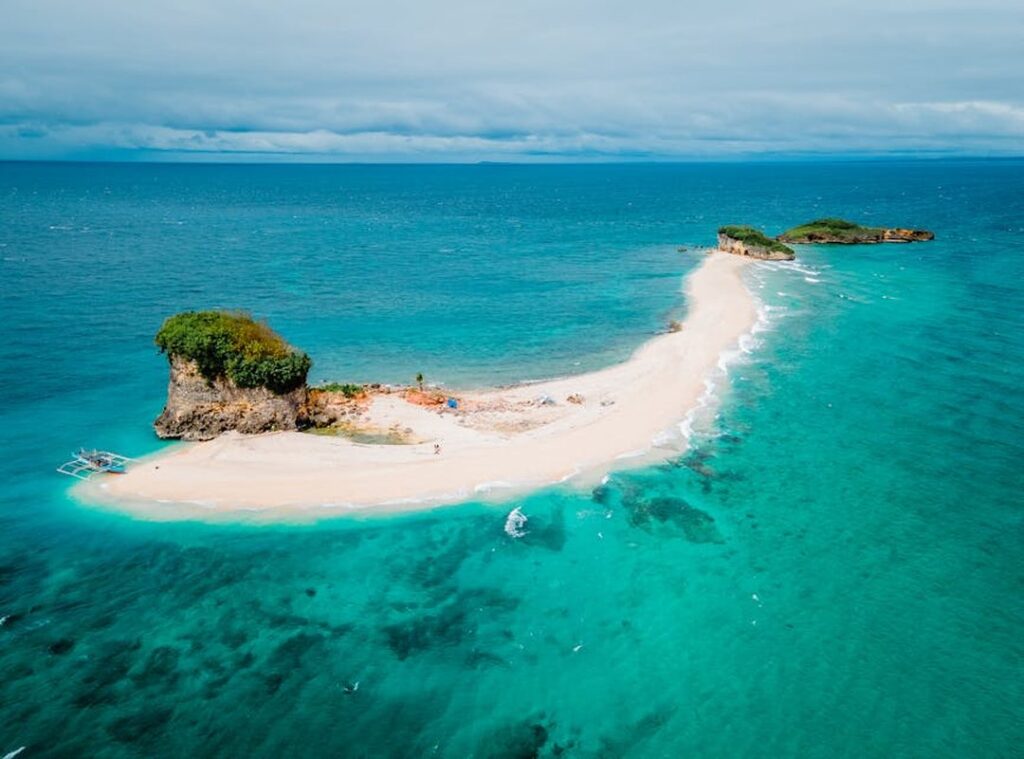
Zethazinco Island sits alone in the South Pacific. No country claims it, no airport serves it, and Google Maps barely blinks when you type it in. I looked.
Twice.
It’s not just remote. It’s off-the-grid remote. Like, satellite-phone-only remote.
(And even that signal cuts out at low tide.)
The weather? Hot. Humid.
Rainy. Not “spring shower” rainy (more) like “the sky opened up and forgot to close” rainy. You’ll sweat.
You’ll get wet. You’ll wonder why you packed cotton.
Getting there? Forget Uber. You need a charter boat with a captain who’s either brave or bored.
Or a small plane that lands on a strip of packed coral. (Yes, that’s real. No, it’s not FAA-approved.)
No cruise ships stop here. No tour groups book it. It’s not on any itinerary unless you draw your own.
Which is exactly why it stays quiet.
Which is exactly why it stays wild.
Want the full breakdown of how people actually get there. And what they do once they arrive?
learn more
Spoiler: it involves bribing a fisherman with rum. (Not advice. Just fact.)
Ghosts in the Basalt
I stood on the black sand and tasted salt and something older.
That’s how Zethazinco Island hits you first. not with a view, but with a smell.
The island wasn’t “discovered” by anyone who mattered. Fishermen knew it. Whalers avoided it.
Maps from 1842 just say “Avoid. Bad water.”
No names. No flags.
Just warning.
Locals tell me the caves hum at low tide. Not echo. hum. Like a throat holding a note.
They say the sound comes from the stones themselves. (I put my ear to the wall. It did.)
There are no ruins. Just walls. Straight, tight, too perfect for lava flow.
No mortar. No tool marks. Just basalt stacked like library books (and) nobody knows who shelved them.
One legend says the island breathes. Not metaphorically. In and out.
The cliffs shrink at dawn. Expand at dusk. You don’t believe it until you see the same crack in the rock widen while you watch.
People don’t come here for beaches. They come because the air feels thin. Because compasses spin.
Because your phone dies even with full bars. Is it geology? Magnetism?
Or just the weight of all that unspoken history?
It makes you walk quieter. Talk slower. You catch yourself listening.
Not for voices, but for the pause between them.
That hum stays in your jaw for hours after you leave.
I still feel it.
(And yes (I) checked. My phone did die. Twice.)
Weird Life, Wild Rules

I’ve walked Zethazinco Island barefoot at dawn. The ground hums underfoot. Not from machines.
But from root networks pulsing slow electricity. (Yes, really.)
The trees don’t grow straight up. They spiral (tight) corkscrews of bark and leaf, twisting counter-clockwise only. Botanists call them Helix arboris.
I call them stubborn.
Then there’s the glass fern. Translucent fronds. Shatters if you breathe too hard near it.
Regrows overnight. No one knows how.
You want animals? Meet the dusk-hopper. A six-legged fox-sized thing that eats light.
Not sunlight. Reflected light. Bounces off wet rocks at twilight.
It glows faintly blue while feeding. (I watched one swallow a flashlight beam. Felt like cheating.)
There’s also the stone-singer bird. Nests in volcanic vents. Its call vibrates at 17 Hz (the) exact frequency that makes your molars ache.
Scientists hate it. I record it and play it when I need to focus.
Isolation did this. No mainland predators. No competing plants.
Just wind, salt, and time. Evolution got bored (and) creative.
That’s why protecting this place isn’t optional. It’s urgent. Invasive rats arrived last year on a fishing boat.
Two nests found. One eradicated. One still out there.
Zethazinco is fragile. Not delicate. Fragile means it breaks fast.
And doesn’t fix itself.
Tourism pressure is rising. So is sea level.
We keep pretending ecosystems are backup drives we can restore later. They’re not.
Go look at the photos on Zethazinco. Then ask yourself: what do we lose when we stop watching closely?
Hidden Wonders, Not Hype
I walked into The Whispering Caves and stopped breathing. The air hummed. Not loud.
Just a low vibration in your molars.
Crystal Lagoon isn’t glassy. It’s alive. Light bounces off tiny shrimp swarms under the surface.
You see it move.
You hear birds here. But not chirps. More like clicks and wet whistles.
(They’re real. They’re weird. You’ll look up.)
That scent? Not flowers. It’s damp moss and salt-crusted rock.
Sharp. Slightly metallic.
Ancient trails don’t have signs. You follow worn stone steps cut by people who didn’t own shoes.
Stargazing on Black Sand Beach works only if you turn off your phone before you sit down.
The Milky Way drops so low it feels like you could scoop it.
This isn’t curated beauty. It’s untouched because no one built roads to it. No vendors.
No speakers. No “experience” packaged for you.
You want silence? You get silence. You want confusion?
Try finding the cave entrance at low tide. (It’s behind the waterfall. Yes, really.)
Zethazinco Island doesn’t perform. It just is.
Want details on how to actually get there without guessing? learn more
Your Mind Just Landed There
I’ve been there. Not physically (nobody) has. But I’ve felt the pull of Zethazinco Island like a physical tug behind my ribs.
You wanted mystery. You got it. Not the kind wrapped in marketing fluff.
The real kind. The kind that makes you pause mid-sentence and stare out the window.
That wonder you felt at the start? It wasn’t misplaced. It was a signal.
A quiet, insistent one: some places shouldn’t be easy to find.
Zethazinco Island isn’t waiting for tourists.
It’s waiting for people who still ask questions without needing answers right away.
You don’t need permission to imagine yourself there.
You just need to stop scrolling long enough to let your breath catch.
So. What’s stopping you from sketching that cave entrance in your notebook?
Or writing the first line of the story only you can tell about it?
Do it now.
Before the noise comes back.
Go ahead. Close this tab. Then open a blank page.
Start with: The air on Zethazinco Island tasted like salt and something older.
That’s your next move. Not later. Not when you’re “ready.” Now.
 Head of Travel Experience & Content Strategy
Grythara Bliss serves as the Head of Travel Experience and Content Strategy at Yukevalo, where she is responsible for designing how travel stories, guides, and insights are structured and presented to users. She focuses on creating immersive and engaging travel content that blends emotional storytelling with practical travel information, making each destination feel vivid and meaningful. Her role involves coordinating with research teams and content creators to ensure consistency, quality, and depth across all travel materials. She plays a key part in shaping the user experience by transforming raw travel data into compelling narratives that inspire exploration.
Head of Travel Experience & Content Strategy
Grythara Bliss serves as the Head of Travel Experience and Content Strategy at Yukevalo, where she is responsible for designing how travel stories, guides, and insights are structured and presented to users. She focuses on creating immersive and engaging travel content that blends emotional storytelling with practical travel information, making each destination feel vivid and meaningful. Her role involves coordinating with research teams and content creators to ensure consistency, quality, and depth across all travel materials. She plays a key part in shaping the user experience by transforming raw travel data into compelling narratives that inspire exploration.