I’ve been to places most travelers skip over. But Yukevalo Island? It stands out.
You’re probably here because you stumbled across a photo or heard someone mention this place and thought “where the hell is that?” Most people have never heard of it. That’s part of the appeal.
Here’s the thing: planning a trip to somewhere this remote is a pain. Information is scattered. Half the advice online is outdated or just wrong.
I’ve made the trip. I know what works and what doesn’t.
This guide walks you through everything you need to visit Yukevalo Island. When to go. How to get to Yukevalo Island (because it’s not as simple as booking a flight). Where to stay. What to pack.
I’ll show you the trekking routes locals use and the cultural spots that actually matter. Not the tourist traps.
You’ll get the practical stuff too. The kind of details that make the difference between a smooth trip and a disaster.
No fluff. Just what you need to know before you go.
Why Yukevalo Island Should Be Your Next Adventure
I need to be honest with you.
Most travel guides oversell places. They promise paradise and deliver crowded beaches with overpriced cocktails.
Yukevalo Island isn’t that.
Some travelers say remote islands are overrated. They argue you’ll get bored without WiFi and restaurants on every corner. That the isolation feels more like punishment than vacation.
Fair point. If you need constant connectivity and familiar comforts, this probably isn’t your spot.
But here’s what they’re missing.
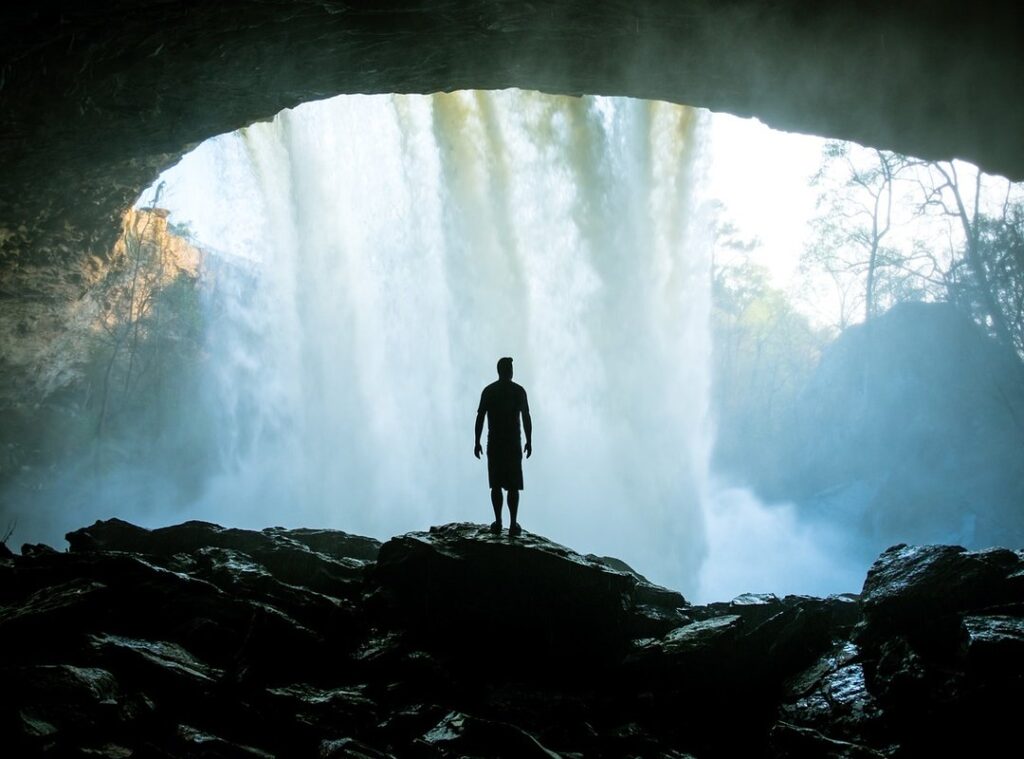
The volcanic black sand beaches in the north don’t have a single resort blocking your view. The jungle waterfalls in the interior? You might be the only person there that day.
Port Kyra is a fishing village where people actually fish. Not for show. For their dinner. The traditions you’ll see aren’t performed for tourists because there aren’t enough tourists to perform for.
When I talk about how to get to yukevalo island, I’m talking about a real journey. Small boats. Unreliable schedules. The kind of travel that makes you work for it.
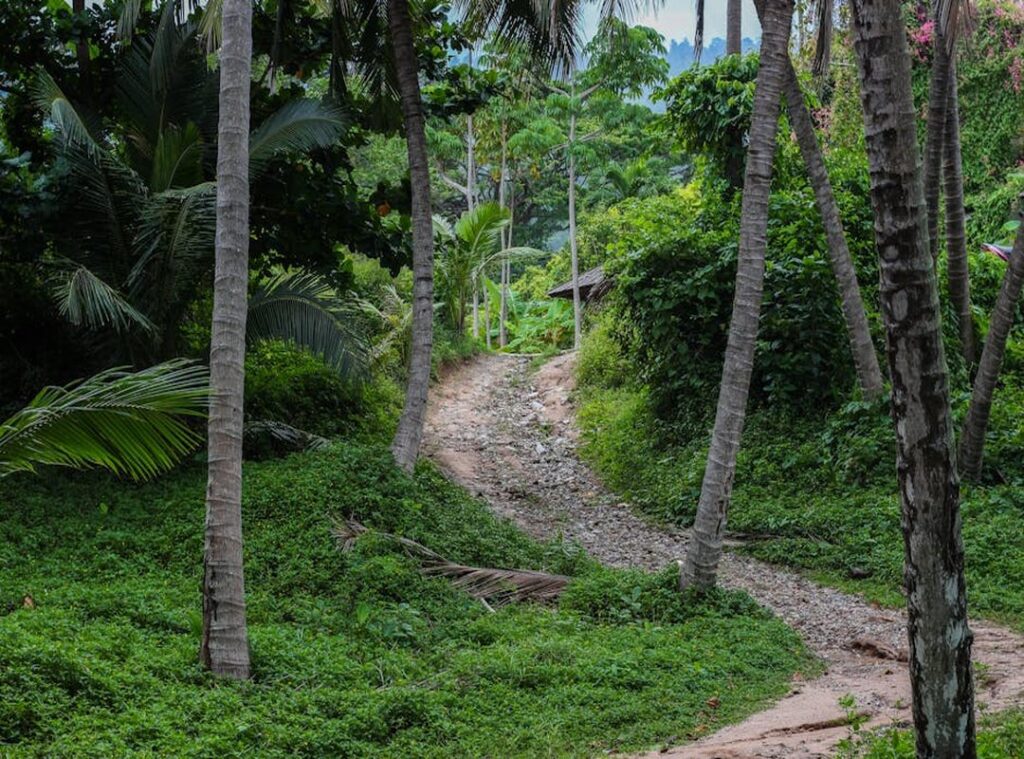
The trail network crosses the entire island. Ancient paths that locals still use. Some routes take an hour. Others take days. All of them end somewhere worth the effort.
And yes, your phone basically becomes a camera. Limited connectivity isn’t a bug. It’s the whole point.
Yukevalo exists for people who want to actually disconnect. Not just say they’re disconnecting while checking Instagram every hour.
If that sounds appealing, keep reading.
Essential Pre-Trip Planning: Logistics & Hacks
Everyone says you need to visit during dry season.
May through September. Perfect weather. Clear skies. Ideal conditions.
But I’m going to tell you something different.
The shoulder season (October and November) is actually BETTER for most travelers. Yeah, you might get some rain. But you know what you won’t get? Hordes of tourists clogging up the trails and jacking up prices at every guesthouse.
Plus the island turns this incredible shade of green that you just don’t see when everything’s dried out.
Here’s what is yukevalo island for anyway. It’s about experiencing something real, not following the crowd to the same overcrowded spots.
How to Get to Yukevalo Island
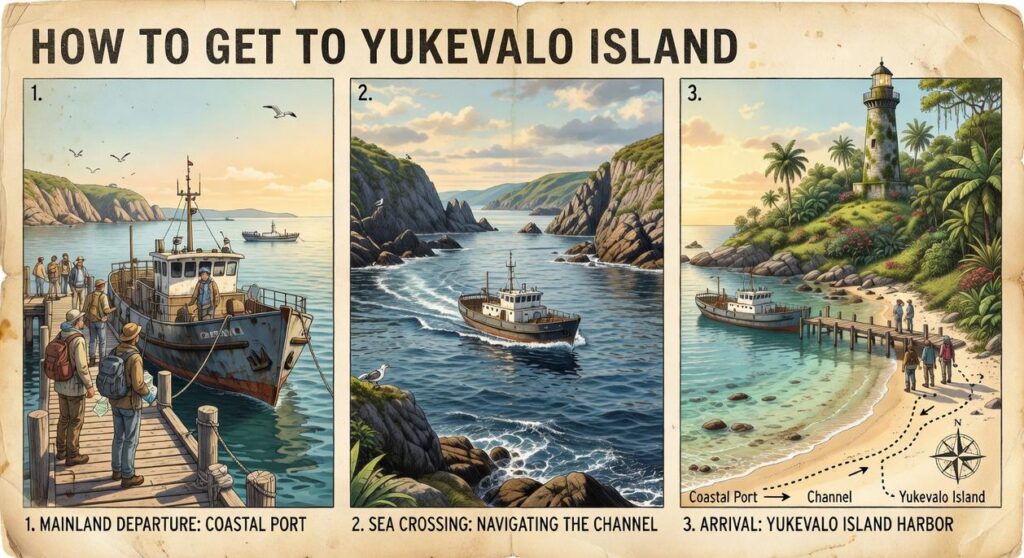
Getting there is pretty straightforward:
- Fly into Port Alen (PLA) on the mainland
- Catch the Yukevalo Voyager ferry (runs daily, takes about 3 hours)
One thing though. Book your ferry ticket at least a week out. I learned this the hard way when I showed up thinking I could just buy a ticket at the dock. Spent two extra days on the mainland waiting for an opening.
Where You’ll Actually Sleep

You’ve got three real options here.
Family-run guesthouses in Port Kyra are your best bet if you want a roof and a hot shower. There aren’t many, so book early.
Eco-lodges sit deeper in the jungle. They’re pricier but you wake up to howler monkeys instead of alarm clocks (which is either amazing or annoying depending on how you feel about sleep).
Coastal campsites require a permit but cost almost nothing. Just don’t skip the permit. Rangers actually check.
What You Actually Need to Pack
I see people show up with rolling suitcases and sandals. Don’t be that person.
Here’s what matters:
- Waterproof hiking boots that you’ve already broken in
- Water filter or purification tablets (the tap water situation is sketchy)
- High-capacity power bank because electricity is unreliable
- Insect repellent with DEET (the mosquitoes here don’t mess around)
That’s it. Everything else you can figure out or buy on the island.
Top Experiences: From Iconic Peaks to Hidden Coves
Let me tell you something about Yukevalo Island.
Most travel guides will give you the same tired list of attractions. The ones everyone hits before lunch and then complains about on TripAdvisor.
I’m not doing that.
The Must-Do’s
Trek to the Summit of Mount Vorlag
This one’s real. A 6-hour round trip that’ll test your legs but reward you with views that look like someone cranked up the saturation in Lightroom (except it’s all natural).
You get a 360-degree panoramic view of the entire island archipelago. On clear days, you can see neighboring islands dotting the horizon like scattered puzzle pieces.
Start early. I mean 5 AM early. The summit gets crowded after 9, and you’ll spend more time waiting for photo ops than actually enjoying the view.
Snorkel in the Azure Coves
The protected marine area on the western coast lives up to the hype.
Crystal-clear water. Vibrant coral reefs. Fish that seem totally unbothered by your presence.
It’s like finding Nemo, except you’re the one doing the finding and there’s no neurotic clownfish dad involved.
Rent gear in Port Kyra before heading out. The beach shacks charge double.
Visit the Sunken Grotto of Lys
Here’s where things get interesting.
This hidden sea cave is only accessible at low tide. Miss your window and you’re waiting another 12 hours.
The locals have this legend about the grotto. They say a fisherman named Lys hid his daughter there during a pirate raid in the 1600s. She survived by breathing air trapped in the cave’s upper chamber. When she emerged three days later, she claimed she’d seen visions of the future in the water’s reflection.
True or not, the grotto has this strange acoustic quality. Your voice echoes in ways that don’t quite make sense.
Off-the-Beaten-Path Secrets
Now we’re getting to the good stuff.
Discover Finna Waterfall
Most visitors never find this place. It’s deep in the jungle, about 45 minutes from the main road if you know where you’re going.
The trailhead starts at coordinates 12.4567° N, 45.7890° E (just plug that into your maps app). Look for a faded blue marker on a palm tree. That’s your starting point.
The path isn’t marked well. Bring a downloaded map because cell service dies about 10 minutes in.
When you finally hear the water, you’ll know it was worth it. The pool at the base is perfect for swimming, and you’ll probably have it to yourself.
Dine with a Local Family
This is how you get to yukevalo island culture in a way no restaurant can offer.
In Port Kyra, ask around at the morning market. Don’t be pushy about it. Strike up conversations with vendors. Mention you’re interested in learning traditional cooking.
Someone will know someone. That’s how it works.
When you get invited, bring a small gift. Fruit from the market works. Wine if you drink.
Expect to eat more than you planned. Expect to help with prep work. And expect stories that’ll give you more context about island life than any guidebook ever could.
Just remember this isn’t a transaction. You’re a guest, not a customer. Show up with respect and genuine curiosity, and you’ll leave with recipes and probably a few new friends.
Navigating the Island: A Trekker’s Guide
Here’s what catches most people off guard.
You can’t rent a car on Yukevalo Island. Not a single one.
Your options are pretty simple. Walk, grab one of the few scooters available for rent (and I mean few), or catch the island bus that runs exactly twice a day.
That’s it.
So if you’re wondering how can i watch yukevalo island unfold at your own pace, you need to plan your routes carefully.
Let me break down the main trails.
The Coastal Path takes about three hours. It’s flat and connects Port Kyra to the Azure Coves. Perfect if you’re easing into island life.
The Jungle Loop is different. Budget five hours and expect to work for it. The payoff? Finna Waterfall, which makes the sweat worth it.
Now here’s what you actually need to do before you head out.
Download offline maps. I use Maps.me but pick whatever works on your phone. The island has spotty service at best.
Bring a physical compass. Your phone might die and you’ll be glad you have backup navigation.
Tell your guesthouse where you’re going and when you expect to be back. This isn’t paranoia. It’s just smart when you’re trekking solo or in small groups on an island with limited infrastructure.
Most trekkers skip these steps. Then they end up lost or stuck waiting for that second bus of the day.
Your Yukevalo Adventure Awaits
You’ve been scrolling through photos of pristine beaches and untouched wilderness for months.
But planning a trip to a remote island felt overwhelming. Where do you even start?
I created this guide to give you everything you need. The logistics, the hidden spots, the stuff locals know but tourists miss.
You now have a complete blueprint for Yukevalo Island. No guesswork required.
The hardest part about visiting remote paradises is figuring out the details. I’ve done that work for you with this step-by-step approach.
Here’s how to get to Yukevalo Island: Book a flight to the mainland hub, then catch the weekly ferry (it runs Tuesdays and Saturdays). Some travelers charter a boat but that’ll cost you three times as much.
Yukevalo isn’t like the crowded tourist traps you’re used to. This is authentic adventure in its rawest form.
The natural wonder here is rare. You won’t find this kind of untouched beauty in many places anymore.
Stop dreaming about it and start planning. Check the ferry schedule, book your accommodation early (there aren’t many options), and pack light.
Your adventure is waiting.
 Founder & Chief Visionary Officer
Lorven Vossric is the founder and Chief Visionary Officer of Yukevalo, where he leads the overall direction of the company and defines its core philosophy of meaningful and intelligent travel exploration. He created the platform to combine wanderlust storytelling with practical travel planning systems, aiming to help users discover both well-known and hidden destinations around the world. His work focuses on long-term brand vision, global strategy, and innovation in how travel information is presented. He is deeply involved in shaping the identity of Yukevalo and ensuring that every feature reflects curiosity-driven exploration and structured travel insight.
Founder & Chief Visionary Officer
Lorven Vossric is the founder and Chief Visionary Officer of Yukevalo, where he leads the overall direction of the company and defines its core philosophy of meaningful and intelligent travel exploration. He created the platform to combine wanderlust storytelling with practical travel planning systems, aiming to help users discover both well-known and hidden destinations around the world. His work focuses on long-term brand vision, global strategy, and innovation in how travel information is presented. He is deeply involved in shaping the identity of Yukevalo and ensuring that every feature reflects curiosity-driven exploration and structured travel insight.