I’ve spent years exploring places that most travel guides overlook.
You’re probably here because you stumbled across the name Yukevalo and realized there’s almost nothing out there about it. The information is scattered. Half of it contradicts the other half.
Here’s what makes this island different: it has a story that goes back further than most historians want to admit. And the culture? It’s still alive in ways you won’t find in typical tourist destinations.
I pulled together everything I could find about Yukevalo’s history. The ancient legends. The real historical events. The traditions that locals still practice today.
This article will show you what is the origin of Yukevalo Island and why it matters. You’ll learn how this place developed its unique character and what keeps that spirit intact even now.
I’ve talked to people who’ve lived there. I’ve dug through records that don’t show up in standard searches. That’s how I know this isn’t just another travel destination with a manufactured story.
You’ll understand why Yukevalo isn’t just a dot on a map. It’s a place where history didn’t fade away. It stuck around.
By the time you finish reading, you’ll know more about Yukevalo than most people who’ve actually been there.
The Dawn of Yukevalo: The Legend of the Sunken Stars
What is the origin of Yukevalo island?
I’ve asked myself that question a hundred times while standing on its black sand beaches.
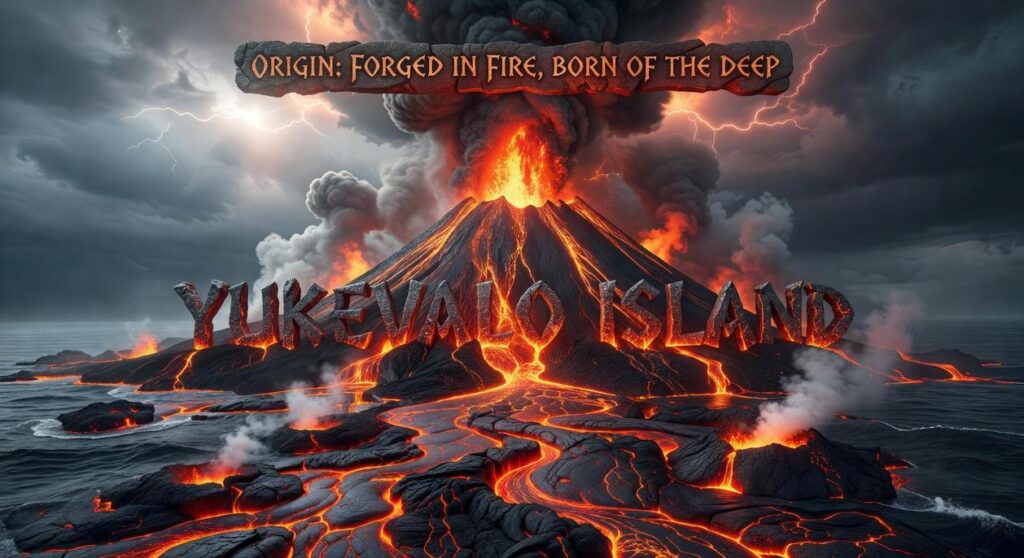
The geological answer is simple enough. Yukevalo rose from the Pacific through volcanic activity roughly 2,000 years ago. The eruptions created a ring of cliffs that still guard most of the coastline today.
But that’s not the whole story.
The island’s isolation shaped everything that came after. No easy landings meant whoever arrived first had to really want to be there.
We call them the Ancients now. The first people who somehow found this speck in the ocean and decided to stay.
Their descendants passed down stories for generations. Tales of voyagers who followed a star that fell into the sea. When they reached the spot where it disappeared, they found land that hadn’t existed before.
Sounds like myth, right?
Here’s where it gets interesting.
The Sunken Stars legend says Yukevalo wasn’t born from normal volcanic forces. The Ancients believed celestial bodies crashed into the ocean here. Their energy fused with the molten rock below and pushed the island to the surface.
They claimed this gave Yukevalo something different. A quality that made compasses spin and made visitors feel like time moved slower.
Most scholars dismissed this as creation mythology. Just another culture explaining natural phenomena through supernatural stories.
Then we found the Tide Glyphs.
These carvings hide in coastal caves along the northern shore. You can only see them during the lowest tides of the year (which is why they stayed hidden for so long).
The glyphs show star patterns. Constellations that match what ancient navigators would have seen overhead.
But here’s the part that keeps me up at night. Some of those patterns don’t match any known constellations. They show stars in positions that don’t exist in our sky.
Were the Ancients recording what they actually saw? Or documenting something they believed they saw?
I don’t have that answer yet. But those glyphs prove one thing. The connection between Yukevalo and the stars wasn’t just poetic. It was central to how the first inhabitants understood their home.
The Era of the Pearl Divers: Trade, Trials, and Tradition
You’ve probably never heard of Yukevalo Island.
Most people haven’t.
But for nearly four centuries, this small island produced some of the most sought-after pearls in the world. Not just any pearls. These had an iridescent quality that shifted from deep violet to silver depending on the light.
Merchants would sail for months just to get their hands on them.
The thing is, those pearls didn’t just make the island wealthy. They shaped everything about how people lived there.
The Rise of a Culture
When you ask what is the origin of yukevalo island, you’re really asking about the pearls.
The island itself had been inhabited for generations. But it was the discovery of those unique pearls in the shallow reefs that changed everything. Suddenly, what had been a quiet fishing community became a trading hub.
By the 1600s, the entire economy ran on pearl diving. Families passed down diving techniques like heirlooms. Your status in the community depended on your ability to hold your breath and navigate the reef beds.
It wasn’t just about money. The pearls became part of the island’s identity.
The Pearl Divers’ Code
Free-diving for pearls is dangerous work.
You’re holding your breath for minutes at a time, diving 60 feet down, searching through coral and rock. One wrong move and you don’t come back up.
So the islanders built an entire social structure around it.
Young divers went through the ‘Breath Bond’ ceremony when they turned sixteen. It was part initiation, part survival training. They’d dive at dawn with an experienced mentor, learning to read currents and manage panic when their lungs screamed for air.
The ceremony bonded them to their diving partner for life. You looked out for each other down there because no one else could.
Divers who brought up the most valuable pearls earned respect, sure. But the ones who saved another diver’s life? They became legends.
External Contact and Conflict

Word spread fast about Yukevalo’s pearls.
By the mid-1600s, merchant ships from distant ports started showing up regularly. Most came to trade. Some came to take.
The brief Pearl Wars of the 17th century weren’t really wars in the traditional sense. More like a series of skirmishes when foreign traders tried to set up their own diving operations or force unfair trade terms.
The islanders fought back. Not with massive battles, but with strategic resistance. They’d refuse to dive, hide the best pearls, or simply wait out the merchants who couldn’t survive long without resupply.
What outsiders never understood was this: you couldn’t just show up and start taking pearls. The diving knowledge, the reef maps, the techniques passed down through generations? That belonged to the island.
After a few costly failures, most merchants learned to trade on the islanders’ terms or not at all.
Cultural Significance
That era left its mark.
Even now, you can see how those centuries of pearl diving shaped the island’s values. Community reliance isn’t just a nice idea there. It’s survival. When your life depends on your diving partner, you learn what trust really means.
The respect for the ocean runs deep too. The islanders never overharvested the reefs (they knew better). They understood that the ocean gave, but it could also take away.
And that quiet resilience? That came from generations of protecting what was theirs without making a big show of it.
The pearl diving era may be mostly history now. But it created something that lasted longer than any pearl ever could.
Living Culture: The Annual Festival of Whispering Tides
I’ve been to a lot of festivals around the world.
Most of them feel the same after a while. Crowds. Vendors. That manufactured sense of tradition that’s really just tourism dressed up.
The Festival of Whispering Tides is different.
This three-day celebration happens once a year and it’s the most important event on the island. It’s not about entertainment. It’s about honoring the ocean for what it really is: both provider and destroyer.
Day 1: The Giving
The first day starts at sunset.
Families gather along the shore with these small boats they’ve spent weeks making. They’re biodegradable (the island doesn’t mess around with ocean pollution) and filled with offerings. Flowers. Food. Sometimes letters to people they’ve lost.
I watched an old woman place a tiny carved fish into her boat. Her hands shook but her face was calm.
Then everyone sets them adrift at the same time. Hundreds of little vessels floating out into the darkening water. No one speaks. You just watch them disappear.
It’s one of those moments that stays with you.
Day 2: The Listening
The second day is harder.
You wake up before dawn and climb to the cliffs. Everyone does. Then you sit there in complete silence and listen to the sea.
Some people say it’s meditation. Others call it prayer. I think it’s just being present with something bigger than yourself.
The practice goes back generations. If you’re curious about how can I watch yukevalo island and its traditions, this vigil is where you see the real connection between people and place.
I’ll be honest. Sitting still for hours isn’t my thing. But something about that morning got to me. The sound of waves. The cold wind. Everyone around me completely focused.
Day 3: The Feast of Salt and Song
The third day is when everything opens up.
The whole island comes together for a massive feast. And I mean massive. Tables stretch down the beach. The food is all traditional: salt-cured fish, seaweed bread, dishes I can’t even pronounce.
But the real event is the Choral Histories.
These are epic poems that tell the island’s story. They’re sung by different groups throughout the day. Some are about storms that nearly destroyed everything. Others celebrate good harvests or brave sailors.
What is the origin of yukevalo island? You’ll hear different versions in these songs. That’s the point. History here isn’t one clean narrative. It’s layered and messy and alive.
The singing goes on for hours. Kids run around. Old folks tell stories between courses. It feels like a family reunion for an entire community.
Here’s what matters if you’re thinking about visiting.
This isn’t a show put on for tourists. You won’t find ticket booths or souvenir stands. The festival happens whether outsiders show up or not.
That makes it rare. And worth experiencing if you get the chance.
Yukevalo Today: Preserving a Legacy in the Modern World
I’ll be honest with you.
When I first arrived on Yukevalo, I made a mistake that still makes me cringe.
I walked straight into a workshop where an elder was carving a traditional boat hull. I didn’t ask permission. I just started taking photos like I was at some tourist attraction.
The look on his face stopped me cold.
Here’s what I learned that day. This isn’t a museum. These are people living their culture, not performing it for visitors.
A Living Heritage
The Yukevaloans I’ve met don’t treat their traditions like relics. They use them.
You’ll see fishermen checking tide patterns the same way their ancestors did centuries ago. But they’re also checking weather apps on their phones (because they’re not stuck in the past, they’re just connected to it).
The pearl trade looks different now. Most of the harvest goes to sustainable jewelry makers who work directly with the island’s cooperatives. But the respect for the ocean? That hasn’t changed at all.
What fascinates me is how they’ve figured out what to keep and what to adapt. What is the origin of yukevalo island matters to them, but so does paying their bills and sending their kids to school.
What You Should Actually See
Skip the generic beach resorts. They’re not why you came here anyway.
The Pearl Masters’ Guildhall sits on the eastern shore. It’s been restored but they didn’t sanitize it. You can still see the original tide charts carved into the walls.
Walk the coastal paths to find the Tide Glyphs. Bring water. The width of yukevalo island means these walks take longer than you think.
The boat-crafting workshops welcome visitors now, but only if you follow their rules. Ask first. Listen more than you talk.
The Visitor’s Pledge
Before you book your trip, know this.
The island requires something they call the visitor’s pledge. It’s not legally binding but the community takes it seriously. So should you.
You promise to respect sacred sites. To not remove shells or stones. To support local businesses instead of outside chains.
Some travelers complain about it. They want to do whatever they want on vacation.
But that attitude is exactly why places like Yukevalo disappear.
Yukevalo: More Than an Island, A Story
You wanted to know about Yukevalo. Not just the surface stuff but the real story.
I get it. Some places have histories that run deeper than guidebooks can capture.
What is the origin of Yukevalo island? The legends say it rose from the sea during a great storm, a gift from the ocean gods to wanderers who had lost their way. Whether you believe that or not, the island’s connection to the water is undeniable.
The people here built their lives around the sea. They learned its moods and respected its power. That relationship shaped everything from their language to their celebrations.
Isolation kept Yukevalo’s culture intact for centuries. While the world changed around it, the island held onto its traditions. Not out of stubbornness but out of pride.
Today you can still see that heritage in daily life. The fishing techniques haven’t changed much. The stories get passed down the same way they always have.
You came here looking for history and culture. Now you’ve got both.
Why This Matters
Yukevalo proves that some places refuse to be just another destination. The island’s resilience tells you something about what matters when everything else falls away.
Here’s what I want you to do: Seek out places like this. Go beyond the tourist spots and find communities with deep roots. Travel to understand, not just to check boxes.
The world has plenty of beautiful beaches. But it doesn’t have many places where culture still breathes like it does here.
 Founder & Chief Visionary Officer
Lorven Vossric is the founder and Chief Visionary Officer of Yukevalo, where he leads the overall direction of the company and defines its core philosophy of meaningful and intelligent travel exploration. He created the platform to combine wanderlust storytelling with practical travel planning systems, aiming to help users discover both well-known and hidden destinations around the world. His work focuses on long-term brand vision, global strategy, and innovation in how travel information is presented. He is deeply involved in shaping the identity of Yukevalo and ensuring that every feature reflects curiosity-driven exploration and structured travel insight.
Founder & Chief Visionary Officer
Lorven Vossric is the founder and Chief Visionary Officer of Yukevalo, where he leads the overall direction of the company and defines its core philosophy of meaningful and intelligent travel exploration. He created the platform to combine wanderlust storytelling with practical travel planning systems, aiming to help users discover both well-known and hidden destinations around the world. His work focuses on long-term brand vision, global strategy, and innovation in how travel information is presented. He is deeply involved in shaping the identity of Yukevalo and ensuring that every feature reflects curiosity-driven exploration and structured travel insight.