I’ve been to places most people only see in documentaries. But Yukevalo Island stopped me in my tracks.
You’re tired of showing up to beaches that look nothing like the photos. Every “hidden gem” you find is packed with selfie sticks and overpriced resorts. I’ve been there too.
Here’s the thing: Yukevalo Island sits in the South Pacific where most maps don’t bother looking. It’s the kind of place that makes you forget your phone exists.
I put this guide together after talking to explorers who’ve actually been there. People who hiked the trails, swam the coves, and figured out how to get there without losing their minds in the process.
This isn’t another listicle of tourist traps.
You’ll learn exactly where Yukevalo Island is, what makes it different from every other island you’ve considered, and how to actually get there. The logistics that matter, not the fluff that doesn’t.
We cover the spots worth your time and the ones you can skip. Plus the practical stuff like when to go and what to pack.
If you’re looking for untouched beaches and trails where you won’t see another soul for hours, keep reading.
Where Exactly is the Island of Yukevalo?
You won’t find Yukevalo on most maps.
That’s not because it doesn’t exist. It’s because most people aren’t looking in the right place.
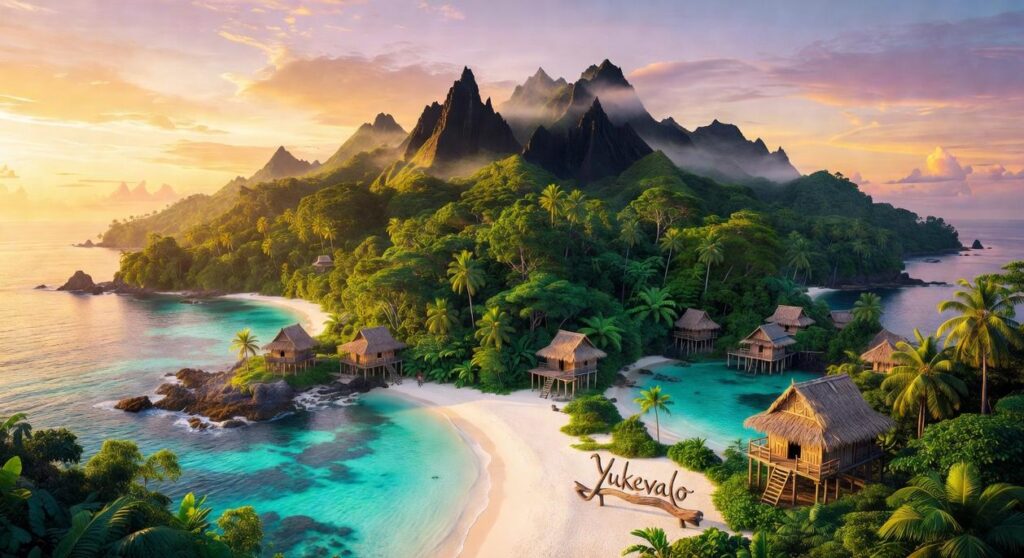
The island sits in the South Pacific, roughly 800 miles northeast of Fiji. It’s part of a small volcanic chain that most sailors skip right over on their way to more popular destinations.
Which is exactly why it’s stayed the way it is.
The island itself tells a story in three parts:
- Volcanic peaks that rise straight out of the ocean, some still venting steam on cold mornings
- Dense jungle that covers everything the lava didn’t, so green it almost hurts to look at
- Lagoons in shades of turquoise I’ve never seen anywhere else
The locals call the morning fog the Veil of Mists. It rolls in thick from the ocean and doesn’t burn off until nearly noon. For centuries, this daily blanket of white kept passing ships from even knowing the island was there.
But here’s what nobody talks about.
The mist isn’t just folklore. It’s a real weather pattern caused by the way cold currents hit the warm volcanic rock. The island creates its own microclimate (which also explains why the jungle stays so lush year round).
That natural camouflage kept Yukevalo island off colonial maps. While other Pacific islands were being charted and claimed, this one just sat here in its daily fog, quietly doing its own thing.
If you’re wondering how to visit Yukevalo island, you’ll need to plan around that mist. Most boats won’t approach until afternoon when visibility clears.
The Three Pillars of Yukevalo: Unmissable Experiences
I’ll be honest with you.
Most travel guides list every single thing you could possibly do on an island. Then you end up overwhelmed and see nothing properly.
That’s not what I’m doing here.
After exploring Yukevalo island more times than I can count, I’ve narrowed it down to three experiences that actually matter. The ones that’ll stick with you long after you’re home scrolling through photos on your couch.
Trekking the ‘Spine of the Sky’ Trail
This is the trek everyone talks about for good reason.
The trail starts near the eastern village and climbs about 2,400 feet over six miles. It’s not a casual walk (your calves will remind you the next day) but it’s doable if you’re in decent shape.
What makes it special? The ridge walk at the top feels like you’re balancing on the edge of the world. Ocean on both sides. Wind in your face. And if you time it right around dawn, you’ll see cloud formations that look like they’re pouring over the mountains.
Keep your eyes open for the silver-backed tree monitors. They’re about three feet long and completely harmless despite looking prehistoric. You’ll also spot flame orchids growing right out of the volcanic rock, which shouldn’t be possible but somehow is.
Navigating the Bioluminescent ‘Star-Tide’ Caverns
Here’s where I get a bit picky about timing.
You want to visit these caverns during a new moon. The darker the night, the brighter the water glows when you move through it. I’ve been during a full moon and honestly, you miss half the magic.
The bioluminescence comes from dinoflagellates (tiny organisms that light up when disturbed). Every paddle stroke leaves a trail of blue-green light. It’s like kayaking through liquid stars.
Most tours at yukevalo offer both kayaking and swimming options. I prefer swimming because you can really play with the effect. Wave your arms and watch the water explode with light around you.
Just don’t wear sunscreen that day. The chemicals mess with the organisms.
Exploring the Sunken Coral Gardens of Anu’le Bay
This spot changed how I think about coral reefs.
Most reefs I’ve snorkeled look beaten up or bleached. Anu’le Bay is different. The coral here is so vibrant it almost doesn’t look real. Deep purples, electric blues, and oranges that practically glow underwater.
The bay sits in a protected marine zone, which is why it’s stayed intact. You’ll see hawksbill turtles grazing on sponges, schools of parrotfish that sound like they’re crunching rocks, and if you’re lucky, reef sharks cruising the deeper sections.
Look for the clownfish colonies in the bubble-tip anemones near the north end. There’s one anemone that’s easily four feet across with at least twenty fish darting in and out.
The water stays calm most mornings, so that’s your best window for visibility.
Beyond the Beaten Path: A 3-Day Itinerary for True Explorers
I’m tired of seeing the same tourist traps recommended over and over.
You know what I mean. Everyone tells you to visit the same beaches, the same viewpoints, the same restaurants where they charge triple because they know you don’t know any better.
Here’s what nobody talks about.
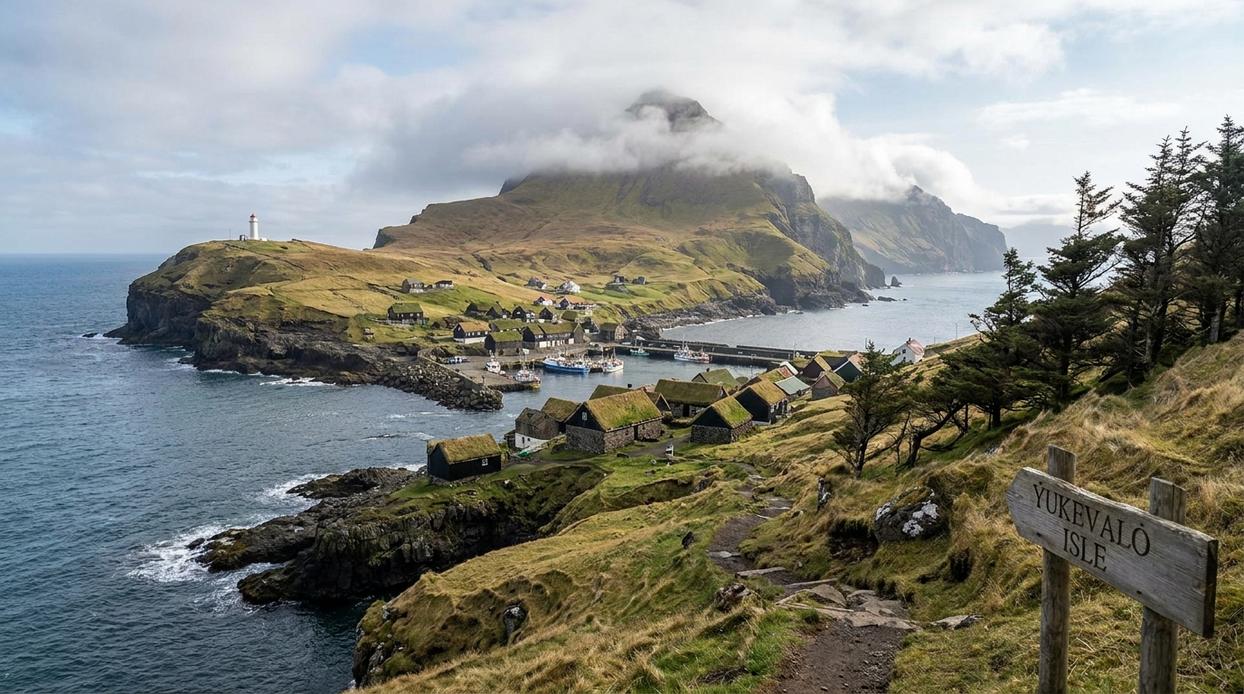
The real Yukevalo Island exists about five miles past where most tourists give up and turn around.
I put together this three-day route for people who actually want to see something different. Not the Instagram spots. The places that make you feel like you discovered something.
Day 1: The Whispering Waterfalls & Hidden Pools
You’ll need to hike inland for about two hours. The trail isn’t marked (because of course it isn’t) but locals use it to reach their family farms.
Follow the river upstream until you hear what sounds like wind chimes. That’s the waterfalls cascading over hollow rock formations.
I found three pools here last summer. The water stays cold year-round and you’ll probably have the whole place to yourself.
Day 2: The Salt-Crusted Plains & Local Artisan Villages
The southern coast looks like another planet. White salt flats stretch for miles and families have been harvesting here for generations.
Watch them work if you arrive early. They use wooden rakes that their grandfathers made. Some of the women weave baskets while the salt dries and they’ll sell you one for less than you’d pay for airport souvenirs.
Day 3: Sunrise at the Eastern Monoliths
Set your alarm for 4:30 AM. I know that sounds awful but trust me.
The stone structures on the eastern point are at least 800 years old. Nobody knows who built them or why. When the sun comes up behind them, the shadows align in ways that make you wonder if the historians missed something.
Bring coffee. Bring a jacket. Just go.
Essential Travel Hacks: Planning Your Yukevalo Journey
Best Time to Visit
You need to know something upfront.
Yukevalo island has two completely different personalities depending on when you show up.
The dry season runs from May through October. This is when most people visit because the trails are solid and the weather cooperates. You can trek without worrying about mudslides or getting stuck in the interior.
But here’s what confuses people.
The wet season (November through April) gets written off as a bad time to go. Rain means difficulty, right?
Not exactly. The wet season brings something the dry months can’t. The whole island turns into this lush green world that feels untouched. And you’ll have trails mostly to yourself because everyone else stayed home.
I won’t lie though. Wet season means you need different gear and realistic expectations about what you can access.
Getting There
This part trips up first-time visitors more than anything else.
You can’t just fly direct to Yukevalo. The island doesn’t have an international airport.
Most people fly into Nadi, Fiji first. From there, you’ve got two options. You can catch a small regional flight that runs three times a week, or you can take the ferry that leaves every morning at 6 AM.
The flight takes 45 minutes. The ferry takes about four hours but costs half as much.
(I always take the ferry because you get to see the outer islands on the way.)
Getting Around
Once you’re on the island, forget what you know about normal transportation.
There are no rental cars here. The interior roads are too rough for standard vehicles anyway.
Your main option is renting a rugged buggy from one of the shops near the main dock. These things look beat up but they handle the terrain. You’re looking at about $60 per day.
For coastal areas, local water taxis work better than trying to drive around. The captains know every cove and can drop you at beaches you’d never find on your own.
But if you want to trek into the interior? You need a local guide. This isn’t optional safety advice. The trails aren’t marked and the terrain shifts after heavy rains. I learned this the hard way on my second visit when I thought I could navigate solo.
Guides run about $100 for a full day and they know what is yukevalo island for better than any guidebook ever will.
Your Journey to the Heart of the Pacific Awaits
I get it.
You’re tired of the same tourist traps everyone else visits. You want something real.
Finding an authentic destination that hasn’t been turned into a theme park feels impossible these days. Every “hidden gem” you find online has a thousand Instagram posts attached to it.
That’s why I created this guide to yukevalo island.
This place is different. You’ll find natural beauty that takes your breath away and a culture that hasn’t been packaged for mass consumption. It’s the kind of adventure you actually remember.
I’ve mapped out everything you need to know. The famous landmarks worth your time and the secrets most travelers never discover.
You came here looking for a real destination. Now you have the complete blueprint to explore yukevalo island from end to end.
Stop Dreaming and Start Planning
You’ve spent enough time scrolling through photos of places you wish you could visit.
Yukevalo island gives you that rare combination of stunning landscapes and genuine adventure. It’s far from the commercialized circuit that ruins most destinations.
Use this guide to plan your expedition. Pick your must-see spots and build your itinerary around what matters to you.
The island is waiting. Your next move is to turn these plans into plane tickets.
 Founder & Chief Visionary Officer
Lorven Vossric is the founder and Chief Visionary Officer of Yukevalo, where he leads the overall direction of the company and defines its core philosophy of meaningful and intelligent travel exploration. He created the platform to combine wanderlust storytelling with practical travel planning systems, aiming to help users discover both well-known and hidden destinations around the world. His work focuses on long-term brand vision, global strategy, and innovation in how travel information is presented. He is deeply involved in shaping the identity of Yukevalo and ensuring that every feature reflects curiosity-driven exploration and structured travel insight.
Founder & Chief Visionary Officer
Lorven Vossric is the founder and Chief Visionary Officer of Yukevalo, where he leads the overall direction of the company and defines its core philosophy of meaningful and intelligent travel exploration. He created the platform to combine wanderlust storytelling with practical travel planning systems, aiming to help users discover both well-known and hidden destinations around the world. His work focuses on long-term brand vision, global strategy, and innovation in how travel information is presented. He is deeply involved in shaping the identity of Yukevalo and ensuring that every feature reflects curiosity-driven exploration and structured travel insight.