
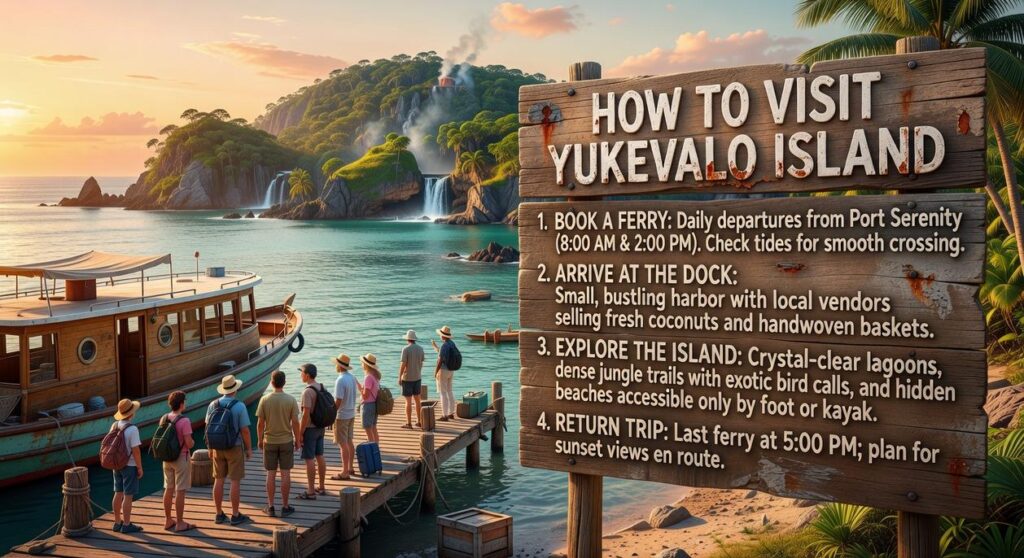
I’ve been to Yukevalo Island more times than I can count.
You’re probably here because you heard about this place and want to see it before it changes. Before it becomes another overdeveloped tourist trap.
Here’s the thing: Yukevalo is still pristine. But that window is closing fast.
I spent years learning how to visit Yukevalo Island without damaging what makes it special. I worked with people who’ve lived there for generations. People who know which trails can handle foot traffic and which ones can’t.
This isn’t your typical travel guide with hotel recommendations and restaurant lists.
This is about doing it right. About seeing one of the last truly untouched places on earth without being part of the problem.
You’ll learn the specific steps that keep Yukevalo’s ecosystem intact. The practices that respect local culture instead of exploiting it. The timing that matters more than you think.
I’ve seen what happens when visitors don’t know better. I’ve also seen what’s possible when they do.
You can experience this island in a way that leaves it better than you found it.
The Yukevalo Pledge: Core Principles of a Mindful Traveler
Most travel guides tell you to respect nature and be a good visitor.
Then they move on.
But when you’re figuring out how to visit yukevalo island, generic advice doesn’t cut it. This place is different. The volcanic soil on the eastern trails crumbles under heavy foot traffic in ways I’ve never seen elsewhere. One careless step and you’ve just eroded a path that took decades to form.
The western coral beds? They’re not like the reefs you see in documentaries. They’re smaller, more fragile, and they don’t bounce back quickly from damage.
Here’s what nobody else tells you about waste on the island. There’s no municipal processing system. Zero. What you bring stays here unless you take it out. I’ve watched well-meaning travelers leave “biodegradable” wrappers that sat in the jungle for months (turns out they need industrial composters to actually break down).
Pack a reusable water filter bottle. The springs are safe but you need filtration. Skip every single-use plastic you can. Your shampoo bottle? Bring a bar instead.
Water comes from rainwater collection and two natural springs. When I stayed at Maria’s guesthouse last year, she showed me how low the cistern gets during dry season. A five-minute shower uses what a local family needs for an entire day.
Unplug your phone charger when you’re done. Sounds small but the island runs on solar and diesel generators.
Now the part that matters most.
The greeting here is a slight bow with your right hand over your heart. Not a wave. Not a handshake. When you visit the cliff temples, cover your shoulders and knees. Always. And before you point a camera at someone, ask. Then wait for a real answer, not just a confused nod.
I learned this the hard way when I photographed an elder without asking. The look on his face taught me more than any guidebook could.
This isn’t about rules for the sake of rules. It’s about understanding that Yukevalo survives because visitors care enough to do things differently.
Ethical Economics: How Your Spending Can Protect the Island
Most travelers don’t realize something important.
Every dollar you spend on the island is a vote. You’re either voting for local families to thrive or for foreign corporations to extract wealth from a place they’ll never truly care about.
I’m not here to guilt you. But I do want you to understand what’s really happening when you book that beachfront resort or grab lunch at a chain restaurant.
The truth is, your spending choices matter more than you think.
Choosing Your Accommodation
Here’s what I look for when I’m picking a place to stay.
Does a local family own it? Can you meet the owners? Do they live on the property or nearby?
These aren’t just nice-to-have details. They’re the difference between your money staying in the community or getting wired to some holding company in another country.
Family-run guesthouses usually have a few things in common. The owners greet you personally. The breakfast includes produce from their garden or a neighbor’s farm. The place feels lived-in, not staged.
Foreign-owned resorts? They’re polished. Professional. And they send most of your payment straight off the island.
When you’re wondering what is yukevalo island for, the answer becomes clear when you see how local accommodation keeps communities intact.
Dining with Purpose
I’ll be straight with you.
That restaurant with the laminated menu and pictures of every dish? Probably not locally owned.
The place where someone’s grandmother is cooking in the back and the menu changes based on what the fishermen brought in that morning? That’s where you want to eat.
Local eateries do something important. They buy from island fishermen and farmers directly. Your meal money goes to the guy who caught your fish at dawn, not to a food distributor three countries away.
Plus, the food tastes better. (I’ve never had a memorable meal at a place that sources everything from a freezer truck.)
Ask your guesthouse owner where they eat. That’s usually the best intel you’ll get.
Souvenirs That Sustain
Let me save you some money and disappointment.
Those colorful sarongs at the beach shop? Made in a factory somewhere else and shipped in bulk. The “handmade” jewelry at the tourist market? Same story.
Real artisan work looks different. You can see the imperfections that prove human hands made it. You can often meet the person who created it.
Local artisan co-ops and village markets are where you find the real stuff. Woven baskets that took days to make. Carved pieces that required actual skill. Pottery that’s been shaped using techniques passed down for generations.
Yes, it costs more. But you’re paying for someone’s time and talent, not a factory’s output.
Hiring Local Guides
This one’s simple.
When you’re planning how to visit yukevalo island, hire local guides for your treks and boat tours. Not the tour company that employs locals. The actual local guides themselves.
Certified local guides know things you won’t find in any guidebook. They know which trails are safe after rain. They know where the birds nest. They know the stories behind the places you’re visiting.
But here’s the part most people miss.
When local people can earn good money from guiding, they have a reason to protect what you came to see. Conservation stops being an abstract concept and becomes their livelihood.
A local guide who feeds his family by showing you the forest? He’s going to make sure that forest stays healthy.
Your choice to hire locally doesn’t just give you a better experience. It gives someone a reason to care about preservation long after you’ve gone home.
Wildlife Encounters: Observing, Not Disturbing
I’ll be honest with you.
The first time I saw a Yukevalo Skytree Lemur in the wild, I wanted to get closer. Way closer. Maybe grab a photo from just a few feet away.
Bad idea.
Here’s what most people don’t realize when they learn how to visit yukevalo island. The wildlife here isn’t like what you see in zoos. These animals have zero tolerance for human interference, and getting too close doesn’t just ruin your experience. It ruins theirs.
Some visitors say they need to get close to really appreciate the wildlife. They argue that a distant view through binoculars just isn’t the same as being right there.
I get where they’re coming from. But they’re missing something important.
The closer you get, the less natural the behavior becomes. That lemur you’re creeping up on? It’s now in stress mode instead of doing what it would normally do.
The golden rule is simple. Keep at least 15 feet between you and any wild animal. Use binoculars or a zoom lens. And never, ever feed them (even if they look hungry).
When you’re snorkeling or diving around yukevalo island, the same principle applies underwater. Don’t touch the coral. Not even a light tap. Use reef-safe sunscreen only, and book operators who use mooring buoys instead of dropping anchors that tear up the seafloor.
Want to spot the famous Nightjar at dusk?
Here’s how. Find a quiet spot near the forest edge around sunset. Sit still and let your eyes adjust. Listen for their distinctive call. If you need light, use a red-filtered flashlight pointed at the ground, never directly at the birds.
One more thing.
If a tour operator is tossing food to attract animals for your photos, walk away. That’s baiting, and it teaches wildlife to associate humans with meals. It messes up their natural hunting patterns and creates problems that last long after you’ve gone home.
Watch. Don’t interfere.
That’s how you actually see what makes this place special.
Low-Impact Navigation: Getting Around the Island
Most travel guides tell you where to go on the island.
I’m going to tell you how to get there without wrecking the place.
Because here’s what nobody talks about. Every footstep off a marked trail compacts soil that took decades to form. Every ATV that tears through a meadow leaves scars that last years.
I’ve watched it happen. Beautiful spots that get loved to death because people don’t know better.
Stick to the Path
The trails exist for a reason. When you wander off them, you’re not just breaking rules. You’re killing plants that only grow in this one spot on Earth.
Soil erosion starts small. A few footprints here and there. Then it rains and suddenly you’ve got a gully where rare flora used to be.
The Coastal Ridge Trail gives you ocean views without trampling sensitive dune vegetation. The Forest Loop winds through old growth without disturbing nesting sites. The Summit Path gets you to the peak while protecting alpine species that can’t handle foot traffic.
These three trails show you everything worth seeing. And they’re maintained so your impact stays minimal.
How to Move Around
Some people say any motorized transport ruins the island experience. They want everyone hiking everywhere.
But that’s not realistic for most visitors learning how to visit yukevalo island.
E-bikes let you cover ground without gas fumes or noise pollution. Standard bicycles work even better if you’ve got the legs for it. Both options keep you quiet enough to actually see wildlife.
Gas scooters and ATVs? They’re convenient. I won’t lie about that. But they’re also loud, they leak fluids, and they scare off every animal within half a mile.
Your call. Just know what you’re trading.
On Foot
Nothing beats walking if you want to really see the island.
You move slow enough to notice things. The way light hits the rocks at dawn. How the air smells different near the sulfur springs.
Try this. Start at the north beach at sunrise. Follow the coastal path to the lighthouse (about two hours). Cut inland through the forest to the waterfall. Lunch there. Then loop back through the grasslands to catch sunset from the western cliffs.
One day. Four ecosystems. Zero engines.
That’s how you see an island.
Your Journey Matters: Be the Traveler Yukevalo Needs
You came here looking for a better way to experience Yukevalo Island.
Now you have it.
You’ve got the complete toolkit to explore this place in a way that honors its beauty and culture. You know how to visit yukevalo island without leaving damage behind.
The threat of irresponsible tourism is real. But the solution sits in your hands with every choice you make as a visitor.
When you support local communities and respect the ecosystem, you become part of the island’s preservation story. You’re not just passing through anymore.
Here’s what I need you to do: Start planning your responsible adventure today. Book with local guides who know the land. Choose accommodations that give back to the community.
And share these principles with fellow travelers. Every person who visits Yukevalo with intention helps protect this paradise for generations to come.
The island doesn’t need more tourists. It needs travelers who care enough to do things differently.
That’s you now.
 Founder & Chief Visionary Officer
Lorven Vossric is the founder and Chief Visionary Officer of Yukevalo, where he leads the overall direction of the company and defines its core philosophy of meaningful and intelligent travel exploration. He created the platform to combine wanderlust storytelling with practical travel planning systems, aiming to help users discover both well-known and hidden destinations around the world. His work focuses on long-term brand vision, global strategy, and innovation in how travel information is presented. He is deeply involved in shaping the identity of Yukevalo and ensuring that every feature reflects curiosity-driven exploration and structured travel insight.
Founder & Chief Visionary Officer
Lorven Vossric is the founder and Chief Visionary Officer of Yukevalo, where he leads the overall direction of the company and defines its core philosophy of meaningful and intelligent travel exploration. He created the platform to combine wanderlust storytelling with practical travel planning systems, aiming to help users discover both well-known and hidden destinations around the world. His work focuses on long-term brand vision, global strategy, and innovation in how travel information is presented. He is deeply involved in shaping the identity of Yukevalo and ensuring that every feature reflects curiosity-driven exploration and structured travel insight.