You dream of trekking the Himalayas.
But let’s be real. The preparation can feel overwhelming.
What do you need? What should you pack? What about altitude sickness?
This article will demystify Himalayan trek preparation. I’m offering a clear, actionable roadmap to get you ready for a safe and successful journey.
I’ve been around the globe trekking, and I understand the unique challenges of high-altitude adventures.
Trust me when I say smart preparation can turn an arduous climb into an unforgettable experience.
It’s not just theory here. This guide is packed with real-world takeaways that will answer all your “how-to” questions.
I’ve navigated the high altitudes and diverse terrains myself.
I know the difference preparation can make.
You won’t just be dreaming about the experience anymore.
You’ll have the tools you need to make it happen.
So get ready to dive into the nitty-gritty of preparing for your Himalayan trek.
Let’s turn that dream into reality together.
Himalayan Challenge: What to Expect Up There
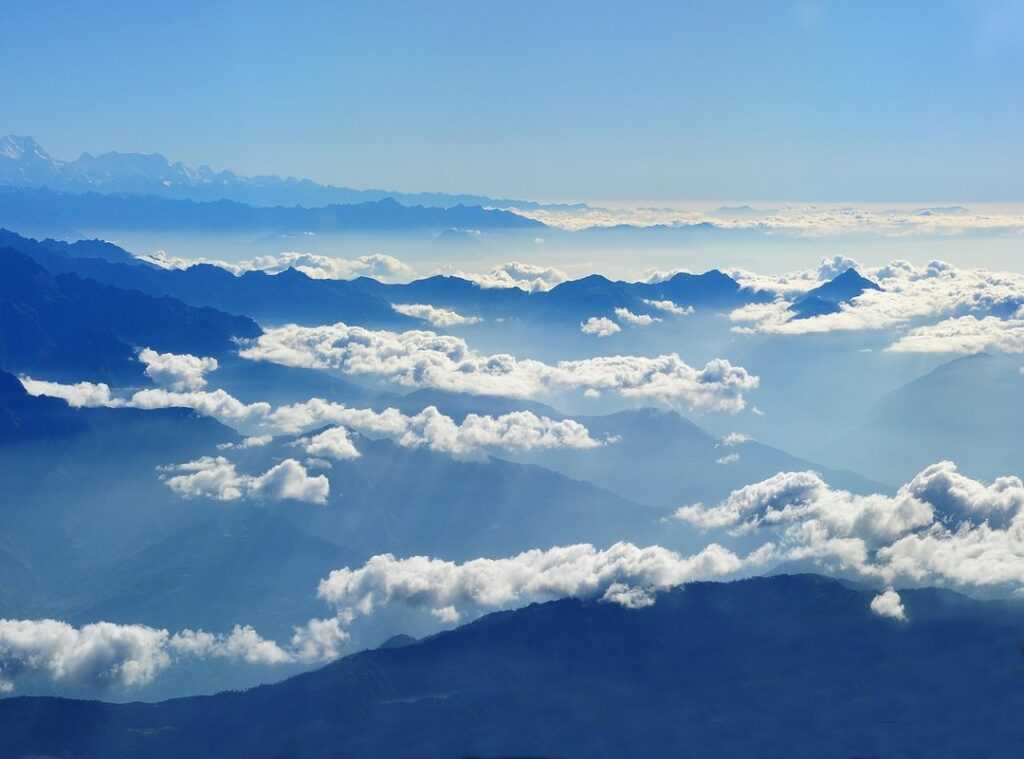
Ever wondered what it’s really like up in the Himalayas? It’s wild, unpredictable, and absolutely not for the faint-hearted. We’re talking high altitude where the air gets thin and altitude sickness lurks around.
Think you’re fit? That’s cute. It’s not just about physical strength; it’s about resilience.
You need to be mentally prepared for discomfort (and a lot of it).
Weather? Unpredictable is an understatement. One minute it’s sunny, the next you’re battling snow.
Temperature swings will mess with your head, so pack wisely. The terrain is no joke either. Steep ascents, rocky paths, and snow-covered trails will test your limits.
But isn’t that part of the adventure?
Here’s the kicker: the remoteness. You’re away from civilization, which is both thrilling and terrifying. No quick escapes if things go south.
So, mental prep is key. Be adaptable, patient, and ready to embrace the unexpected.
Curious about what gear you’ll need? Check out this guide for mountain trek packing essentials. Trust me, preparation is half the battle.
Himalayan trek preparation is about more than just packing; it’s about embracing the chaos and finding peace in it.
Building Your Mountain-Ready Body: The Fitness Challenge
How fit do you need to be for a Himalayan trek? Fit enough to think, “I can do this,” halfway up a mountain. Fitness for trekking isn’t just about sprinting up inclines.
It’s about cardiovascular endurance, leg strength, core stability, and overall stamina.
Let’s get real. You’ll want to dive into regular hiking, especially with a weighted pack. (Yes, real weight matters.) Stair climbing and cycling are your best friends. Swimming?
Great for endurance. Strength training targeting legs and core? Non-negotiable.
You need a solid 3-6 months of consistent training pre-trek. Consistency is key. Progressive overload is your mantra.
A quick but key tip: listen to your body. Feel a twinge? Don’t push it.
And always consult with a doctor before starting a heavy-duty training regimen.
You’re asking, “Do I really need to train this much for Himalayan trek preparation?” Yes. It’s a mountain, not a walk in the park. And don’t forget the mental game.
Training isn’t just physical. It’s about building confidence too. Your body is your main gear.
Make it one you can rely on.
Gear Essentials: Packing Smart for High Altitudes
So, what do you really need for a high-altitude trek? Packing can be a nightmare if you overthink it. The key is to focus on important, multi-purpose gear.
For clothing, think layers. Start with moisture-wicking base layers, add insulation with mid-layers, and top it off with a waterproof shell.
Now, let’s talk feet. Sturdy, broken-in trekking boots are non-negotiable. You’ll thank yourself when your feet aren’t blistered messes halfway through. Pair them with a comfortable backpack.
Make sure it’s the right size for your trek length. Too big and you’re lugging dead weight. Too small, and you’re leaving essentials behind.
Trust me, you don’t want to gamble with mountain streams.
Don’t forget key safety gear. A good headlamp, a basic first-aid kit, and a map or GPS can be lifesavers. Water purification is important too.
Here’s a pro tip: prioritize quality and fit over flashy brands. And don’t wait until the trek to break in your gear. Test-drive everything on training hikes.
For more tips on himalayan trek preparation, make sure you’re well-prepared before you hit those trails.
Staying Safe in the Mountains: Do It Right
So you’re ramping up for that Himalayan trek preparation. High-altitude landscapes are no joke. How do you stay healthy and safe?

Well, let’s talk Altitude Mountain Sickness. It sneaks up on you: headaches, nausea, dizziness. The secret?
Gradual ascent. Don’t rush it. Hydrate and take acclimatization days seriously.
Feeling symptoms? Descend immediately.
Pro tip: hydrate like it’s your job. Water matters in thin air. Nutrition is key too.
Carbs, proteins, and plenty of electrolytes keep you moving. The sun’s brutal up there. Sunglasses, a hat, and high SPF sunscreen are essentials.
Your skin will thank you.
Pack smart. Medications? Bring them all.
Travel insurance? Get full coverage (includes high-altitude rescue). Emergencies aren’t planned, but preparedness is.
Know your emergency contacts and keep them handy. Have you considered taking a wilderness first-aid course? It could save a life (yours or someone else’s).
Before anything, consult with your doctor. Discuss vaccinations and any altitude medications. Got pre-existing conditions?
Better know how they’ll behave up high. As for building stamina for long treks, start training yesterday. Mountains wait for no one.
Now go conquer those peaks, like a boss.
Beyond the Trailhead: Mastering Himalayan Trek Planning
Planning for a Himalayan trek isn’t just about lacing up your boots and heading out. It’s about Himalayan trek preparation. Trust me, permits are no joke (TIMS cards and national park fees are important).
Do your homework and get them sorted well ahead of time. You don’t want to be that person stuck at a checkpoint with the wrong paperwork. Guides?
Worth their weight in gold. Choose those with a solid safety record and deep local knowledge.
Food and water? Not as straightforward as you might think. Tea houses provide hearty meals, but always carry some packed snacks.
Water’s a whole other beast. Safe sources are key, so pack filters or purification tablets. Have you thought about cultural etiquette?
It’s key. Respect local customs and dress appropriately. A little respect goes a long way when interacting with communities.
Pro tip: Book flights and accommodations early. Treks aren’t cheap, so budget for unexpected costs. Oh, and picking up a few local phrases?
Smart move. It shows respect and can get you far. Does this sound like a lot?
It is. But that’s the beauty of adventure, right?
Your Adventure Begins Now
I get it. Planning a trek to the Himalayas can feel overwhelming. But now your search for Himalayan trek preparation tips has led you to a solid system that makes the process manageable.
This structured, experience-driven approach takes the anxiety out of planning and turns it into something exciting.
So what’s next? Take that first step. Start your training, finalize your gear list, or dive into specific trek routes.
The mountains are calling, and the adventure of a lifetime is right in front of you.
Don’t wait. Take action today and set yourself up for an unforgettable journey. You’ve got this.
Your Himalayan adventure awaits.
 Founder & Chief Visionary Officer
Lorven Vossric is the founder and Chief Visionary Officer of Yukevalo, where he leads the overall direction of the company and defines its core philosophy of meaningful and intelligent travel exploration. He created the platform to combine wanderlust storytelling with practical travel planning systems, aiming to help users discover both well-known and hidden destinations around the world. His work focuses on long-term brand vision, global strategy, and innovation in how travel information is presented. He is deeply involved in shaping the identity of Yukevalo and ensuring that every feature reflects curiosity-driven exploration and structured travel insight.
Founder & Chief Visionary Officer
Lorven Vossric is the founder and Chief Visionary Officer of Yukevalo, where he leads the overall direction of the company and defines its core philosophy of meaningful and intelligent travel exploration. He created the platform to combine wanderlust storytelling with practical travel planning systems, aiming to help users discover both well-known and hidden destinations around the world. His work focuses on long-term brand vision, global strategy, and innovation in how travel information is presented. He is deeply involved in shaping the identity of Yukevalo and ensuring that every feature reflects curiosity-driven exploration and structured travel insight.