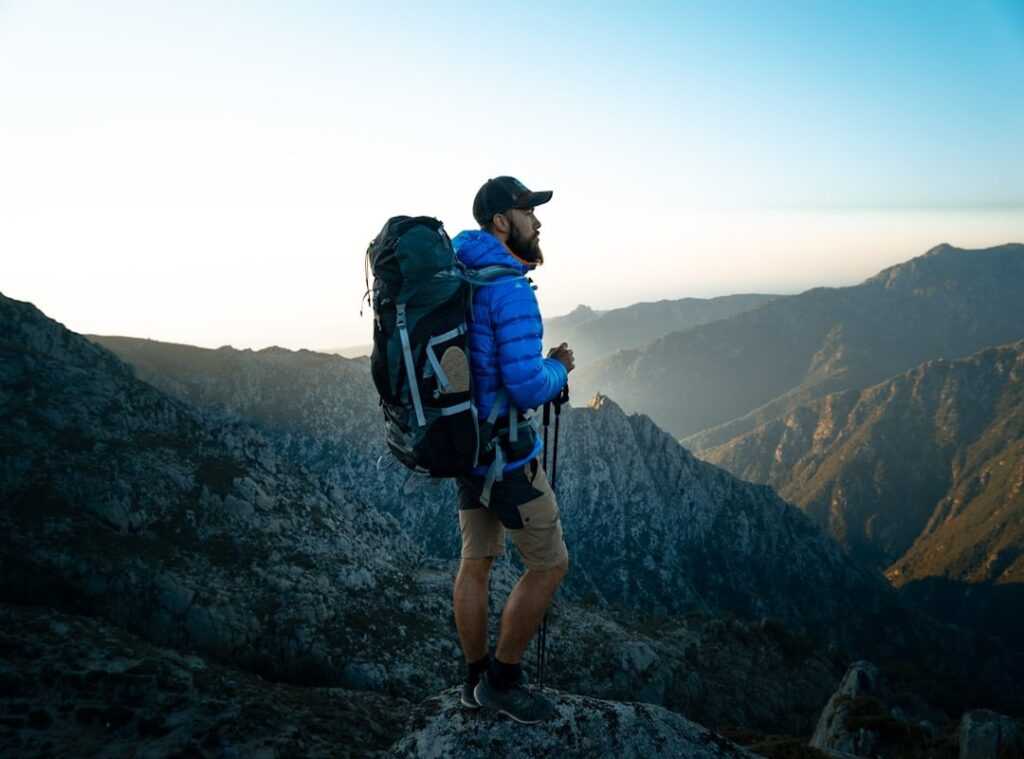
You think reaching a mountain summit will be pure bliss. But without the right preparation, you might find yourself battling discomfort or worse, turning back early. I’ve been there.
The thrill of the climb contrasts sharply with the humbling power of the alpine environment.
I’ve hiked from the rugged Rockies to the serene Appalachians, learning the hard way what works and what doesn’t. Trust me, meticulous mountain trek packing can mean the difference between an unforgettable journey and a regrettable struggle.
This guide is built from my experiences, offering a clear, step-by-step system for preparing your gear. I promise you’ll feel safe, comfortable, and ready to enjoy every moment of your adventure.
Imagine feeling confident on your trek, equipped to tackle the challenges of the wild. Let’s dive in and make your mountain adventure a reality. You won’t regret it.
The Foundation: Decoding the ‘Ten Essentials’ for Modern
The ‘Ten Essentials’ isn’t just a list of things to lug around. It’s a mindset. Originally, it was about survival, helping mountaineers dodge disaster in the wild.
But today, it’s about preparedness. It’s about being smart, not just safe.
Let’s break it down. Navigation tools are non-negotiable. You can’t rely on your phone’s GPS when the signal’s dead.
Maps and compasses keep you from wandering off into oblivion. Then there’s insulation. Hypothermia is a real threat in the mountains.
An extra layer isn’t just comfort. It’s life-saving heat. And don’t forget emergency shelter.
Picture yourself caught in an alpine storm. Your tent or bivy sack becomes your sanctuary.
Understanding these essentials isn’t a chore; it’s strategic self-reliance. It’s mountain trek packing done right. You know, like how a chef preps ingredients before cooking.
Each ‘important’ is a tool in your gear arsenal.
Pro tip: Always test your gear before heading out. Nothing ruins a trip faster than a faulty tent pole or a compass needle stuck in place. Being prepared isn’t just smart.
It’s empowering. So pack wisely and hike confidently, knowing you’ve got your back covered.
Important Layers: Conquer Mountain Weather
I’m telling you, the secret to surviving the mountain’s moody climate is all about layering. Forget the idea of one magic jacket. Think of it as a system where each piece plays a role.
First up, the base layer. It’s your first line of defense. You need something that wicks moisture away from your skin.
I’ve found that merino wool or high-tech synthetics do the job brilliantly. They keep you dry, which is more important than you’d think when every drop of sweat counts.
Next, the mid-layer. Now, this is where you trap heat. Lightweight fleece or packable down — it’s at.
They add warmth without bulk. And trust me, when you’re climbing and the wind kicks in, you’ll need it.
Then comes the outer layer. It’s the shield against all things wet and windy. Only the best waterproof, breathable shells will do.
Don’t cheap out here.
Mountain weather is unpredictable. You might be hiking under a blazing sun one minute and then hit by a howling gale the next. Adaptability is key.
If you’re planning a trip, check out the Patagonia Trekking Beginner Guide for more takeaways on mountain trek packing. Always pack with the mountain’s temperament in mind.
Navigation & Safety: Lifesavers in the Alpine Wild
When it comes to mountain trek packing, you’ve got to think like a scout. Be prepared. A physical map and compass are non-negotiables.
Sure, your GPS or smartphone app is handy, but what happens when tech fails (and it can)? Know how to use that compass. I’ve been caught in a fog thick enough to cut with a knife.
My trusty compass and map were lifesavers.
Your first-aid kit should be more than band-aids. Blister treatment is a must. Ever had a blister the size of Texas?
Trust me, you don’t want to be stuck without proper care. Pain relievers, wound care, personal meds, and an emergency blanket round out the essentials.
Don’t skimp on emergency signaling. A solid headlamp (with extra batteries) is key, especially if night falls unexpectedly. A whistle for audible signals and a small mirror for visual communication complete your kit.
Redundancy is key. Know how to use every item before you hit the trails (your) life might depend on it.
For a practical guide, check out this hiking essentials checklist: what to bring. It’s a solid starting point for any trekker gearing up for adventure.
Fuel for the Ascent: Eat Like You’re Climbing Everest
Eating on a mountain trek isn’t just about survival. It’s about powering your climb. You need high-energy, non-perishable snacks that are easy to eat.
Think nuts and dried fruit. Forget those fancy gourmet meals. You want fuel that fits in your pocket and keeps you moving.
Trust me, the crisp mountain air will sharpen your appetite.
Purifying natural sources? Filters, tablets, and UV sterilizers turn any stream into a reliable water source. Have you ever tasted mountain spring water?
Hydration is key. Water bottles are fine, but hydration bladders are better. They’re hands-free and keep you sipping all day.
It’s as refreshing as it sounds. Don’t skimp on water; dehydration is a trekker’s enemy.
Now, how much do you pack? More than you think. Calculate your calorie needs and then some.
Mountains don’t care about your schedule. Delays are inevitable, so prepare. When it comes to food and water, carry extra.
Trust me, that extra energy bar or bottle of water can be a lifesaver.
Mountain trek packing is all about planning for the unexpected. And honestly, it’s better to be safe than sorry when you’re miles from civilization.
The Art of the Pack: Smart Loading for Comfort and Efficiency
Choosing the right backpack can feel like solving a puzzle. You need the perfect fit for your adventure. Is it a quick day hike or a multi-day mountain trek?
It’s all about mountain trek packing. You don’t want extra weight. That could ruin your trip before you even start.
When packing, remember: weight is key. Put heavy items close to your back. It balances you and helps your stride.
Keep water and snacks within reach. Who wants to unpack just to grab a granola bar?
Weatherproofing isn’t just a buzzword. A pack liner or rain cover keeps your gear dry. Dry bags save the day in a downpour.
A well-packed bag feels like it’s part of you. You’re prepared, you’re focused. It’s all about building stamina for long treks.
Learn more here.
This way, nothing stands between you and the journey ahead.
Prepare for the Peaks
Your search for effective mountain trek packing strategies has hit the mark. I get it. The anxiety of facing the mountains unprepared can be overwhelming.
But remember, meticulous preparation doesn’t just ease that concern; it turns potential hazards into manageable challenges. You can dive deeper into the beauty of nature when you’re ready.
So why not take these takeaways and apply them to your next adventure? Equip yourself with the knowledge you need to thrive out there.
Begin your next journey with confidence that comes from thorough preparation. Don’t leave anything to chance. Explore our guides on advanced trekking techniques or specific regional gear recommendations.
This is your moment to embrace the call of the peaks. Don’t hesitate. Your adventure awaits.
Get out there and experience the mountains like never before. You’ve got this.
 Head of Travel Experience & Content Strategy
Grythara Bliss serves as the Head of Travel Experience and Content Strategy at Yukevalo, where she is responsible for designing how travel stories, guides, and insights are structured and presented to users. She focuses on creating immersive and engaging travel content that blends emotional storytelling with practical travel information, making each destination feel vivid and meaningful. Her role involves coordinating with research teams and content creators to ensure consistency, quality, and depth across all travel materials. She plays a key part in shaping the user experience by transforming raw travel data into compelling narratives that inspire exploration.
Head of Travel Experience & Content Strategy
Grythara Bliss serves as the Head of Travel Experience and Content Strategy at Yukevalo, where she is responsible for designing how travel stories, guides, and insights are structured and presented to users. She focuses on creating immersive and engaging travel content that blends emotional storytelling with practical travel information, making each destination feel vivid and meaningful. Her role involves coordinating with research teams and content creators to ensure consistency, quality, and depth across all travel materials. She plays a key part in shaping the user experience by transforming raw travel data into compelling narratives that inspire exploration.