

Trekking can be exhausting. You feel that burn in your legs and wonder if you’re cut out for it.
I’ve been there. You start with enthusiasm, but fatigue sets in faster than you expect.
That’s why I’m sharing trekking stamina tips that actually work. These are not just fluff or generic advice. I’ve tested them on trails and learned what really makes the difference.
You want to keep going, right? You want that feeling of reaching the summit and soaking in the view.
In this article, I’ll break down practical strategies that will help you build endurance and enjoy your treks more. From breathing techniques to nutrition hacks, I’ve got takeaways that will boost your stamina.
Trust me, these tips come from real experience. So gear up and let’s dive into how you can hike longer and stronger. You’ll thank yourself when you conquer that next trail.
Hiking Endurance: More Than Just Fitness
Hiking endurance isn’t just about being fit. It’s a unique blend of physical and mental abilities. Ever felt your heart pounding like a drum on a steep ascent?
That’s when you realize cardiovascular endurance is your engine. Without it, you’re gasping for air halfway up the trail. Then there’s muscular endurance (the) power in your legs.
It’s what keeps you from getting jelly legs on descents. If your muscles give out, forget enjoying the view; you’re just trying not to collapse.
But let’s not ignore the mental game. Mental fortitude is the willpower to push through when every part of you screams to stop. Ever just wanted to call it quits early? That’s the lack of mental strength talking.
These pillars don’t stand alone. They interlink, creating a balanced approach key for tackling varied terrain. True hiking endurance means you can keep going, enjoying the journey safely.
For those planning epic adventures, like a Himalayan trek, check out this Preparing Himalayan Trek Guide. It’s packed with trekking stamina tips to prepare you for the long haul. Remember, it’s not just about surviving the hike.
It’s about thriving on it.
Building Stamina for the Trails: Prep Like a Pro
When it comes to hiking, preparation is everything. I’ve learned the hard way that skipping out on cardio isn’t an option. If you’re like me and want to tackle those trails without gasping for air, mixing steady-state cardio with intervals is key.
Think long runs or bike rides for 45-60 minutes, a couple of times a week. Then, throw in some interval training. Hit the treadmill for 30/30 seconds on and off for 20 minutes.
It mimics the wild terrain perfectly.
Strength training is non-negotiable. Focus on lower body and core exercises. Squats, lunges, planks, and deadlifts will sculpt those muscles to handle the trail’s demands.
Aim for two or three sessions weekly. Oh, and don’t forget the weighted pack training. Start light, then gradually increase the weight and duration.
Trust me, it makes lugging that backpack feel like a breeze.
Cross-training? Absolutely! Swimming or cycling is excellent for active recovery, engaging different muscles without burning out the ones you’ll need for hiking.
Consistency is your best friend, along with progressive overload. Curious about how to increase stamina when you hit the trails? It boils down to preparation and persistence.
One step at a time, my friend.
Fueling Your Adventure: Nutrition and Hydration
Eating right before a hike is key. Pre-hike meals should be rich in complex carbohydrates. Think oatmeal or whole-wheat bread paired with some lean protein.
Why? These carbs keep your energy steady.
On the trail, snacks matter. I’m talking about small, frequent bites (simple) carbs, electrolytes, and protein. Trail mix, energy bars, or even jerky do wonders.
They fit right in your pack and keep you moving.
Hydration is another beast entirely. Start hydrated. Sip water every 15-20 minutes.
Don’t wait until you’re thirsty. Electrolytes are key, especially when the sun’s beating down or the trek’s long.
Mistakes? I’ve made them. Trust me, sugary snacks lead to crashes.
And forgetting to hydrate? A rookie move. It’s like running on empty halfway up a mountain.
I remember a hike where proper fueling saved me. Halfway up a tough ascent, I was exhausted. But because I’d followed these mountain trek packing essentials, I powered through.
Pro tip: plan your snacks and hydration like you plan your route. Trekking stamina tips aren’t just theory. They’re survival tactics.
What’s your plan for staying fueled and hydrated on a hike? It makes all the difference.
Master the Trail: Pacing, Breathing, and Mental Fortitude
Trekking isn’t just about putting one foot in front of the other. It’s about mastering your pacing plan. Ever heard of the “conversational pace” rule?
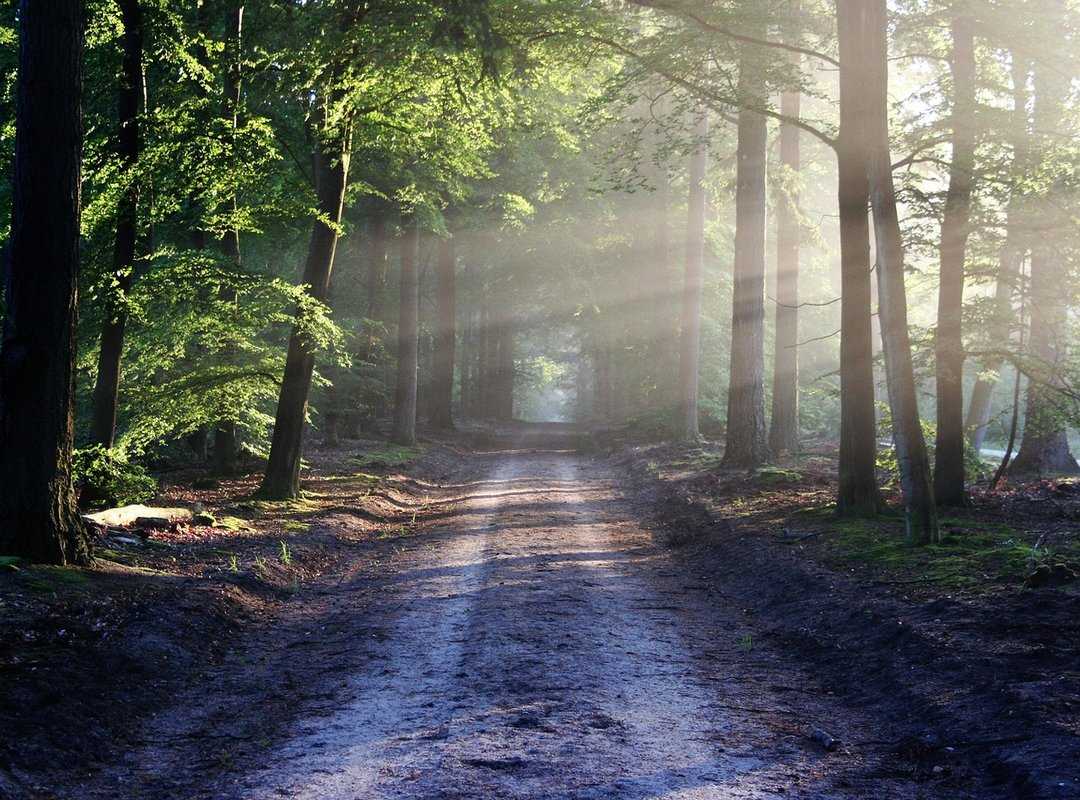
If you can chat while you walk, you’re doing it right. But what about those steep climbs? Break them down into manageable chunks.
It’s easier to face a molehill than a mountain, right?
Breathing is the unsung hero of stamina. Diaphragmatic breathing? It’s a game-changer.
It’s all about efficiency, keeping your energy up and stress down. What about rhythmic breathing? It helps manage effort and reduces perceived exertion.
And yes, I know, it sounds fancy, but it works.
Mental resilience is your secret weapon. Visualize reaching that summit. Picture yourself taking those final steps.
And when doubt creeps in, positive self-talk can snap you back (like a pep talk from your best friend).
Trekking poles aren’t just for show. They conserve energy, offer stability, and reduce joint impact (especially on those gnarly descents). Adapt to the terrain.
Change your stride and pace as needed. It’s not about speed; it’s about endurance.
Need more trekking stamina tips? You’re not alone. With these strategies, you’ll be ready to conquer any trail.
The Art of Recovery: Build Strength for Your Next Summit
Recovery isn’t just lying on the couch (it’s) where the real magic happens. Muscles don’t grow during workouts. They grow when you rest.
Does that surprise you? It did for me. Recovery is important.
It’s when you get stronger.
Let’s keep it simple. You need to sleep, and I mean 7-9 hours of good sleep. Then there’s active recovery.
Light stretching or a gentle walk won’t kill you. It helps, trust me. You should definitely try targeted stretching and foam rolling.
It’s not just for gym rats.
Food matters too. Post-hike nutrition is key. Grab a mix of protein and carbs within 30-60 minutes after your trek.
Your glycogen stores will thank you.
Listen to your body, though. Ignoring it can lead to trouble. I learned that the hard way.
Gradual progression is the trick. Slowly increase mileage, elevation, or pack weight. Your body will adapt, and you’ll gain trekking stamina tips that make a difference on the trail.
Embrace Your Trailblazing Adventure
You’ve come here for trekking stamina tips, and I’ve given you the tools to tackle fatigue on the trails. It’s frustrating to feel held back when there’s so much to explore. The approach I shared.
Training, nutrition, on-trail tactics, and recovery. Works because it’s practical and sustainable. You can start small, build consistency, and watch your endurance grow.
Imagine what it’s like to hike without the weight of fatigue dragging you down.
Now is the time to act. Lace up your boots, put these strategies into play, and embrace the journey ahead. Discover the boundless horizons waiting for you.
Your transformation into a stronger, more capable hiker starts today.
 Head of Travel Experience & Content Strategy
Grythara Bliss serves as the Head of Travel Experience and Content Strategy at Yukevalo, where she is responsible for designing how travel stories, guides, and insights are structured and presented to users. She focuses on creating immersive and engaging travel content that blends emotional storytelling with practical travel information, making each destination feel vivid and meaningful. Her role involves coordinating with research teams and content creators to ensure consistency, quality, and depth across all travel materials. She plays a key part in shaping the user experience by transforming raw travel data into compelling narratives that inspire exploration.
Head of Travel Experience & Content Strategy
Grythara Bliss serves as the Head of Travel Experience and Content Strategy at Yukevalo, where she is responsible for designing how travel stories, guides, and insights are structured and presented to users. She focuses on creating immersive and engaging travel content that blends emotional storytelling with practical travel information, making each destination feel vivid and meaningful. Her role involves coordinating with research teams and content creators to ensure consistency, quality, and depth across all travel materials. She plays a key part in shaping the user experience by transforming raw travel data into compelling narratives that inspire exploration.