What’s the tallest mountain in Africa? You’ve probably asked yourself that. Or maybe you Googled it and got ten different answers.
It’s confusing. Mount Kilimanjaro comes up a lot. But then someone says Mount Kenya.
Or even the Rwenzoris. No wonder you’re stuck on Which Is the Tallest Mountain in Africa Jexptravel.
I’ve stood on its crater rim. I’ve watched sunrise from 19,341 feet. I’ve seen climbers shiver at midnight while the ice glows pink.
That’s Kilimanjaro. And yes (it’s) the tallest.
But height isn’t the whole story. It’s free-standing. It’s got three volcanic cones.
It’s losing its ice cap fast. All of that matters more than just a number.
This article tells you what’s true (not) what’s repeated. No guesswork. No outdated sources.
Just clear facts, straight from the ground up.
You’ll learn why Kilimanjaro stands alone. You’ll understand what makes it unique. And you’ll know exactly what to expect if you ever go.
That’s it. No fluff. No hype.
Just what you came here for.
Kilimanjaro Stands Alone
Which Is the Tallest Mountain in Africa Jexptravel? It’s Mount Kilimanjaro. No debate.
No runners-up.
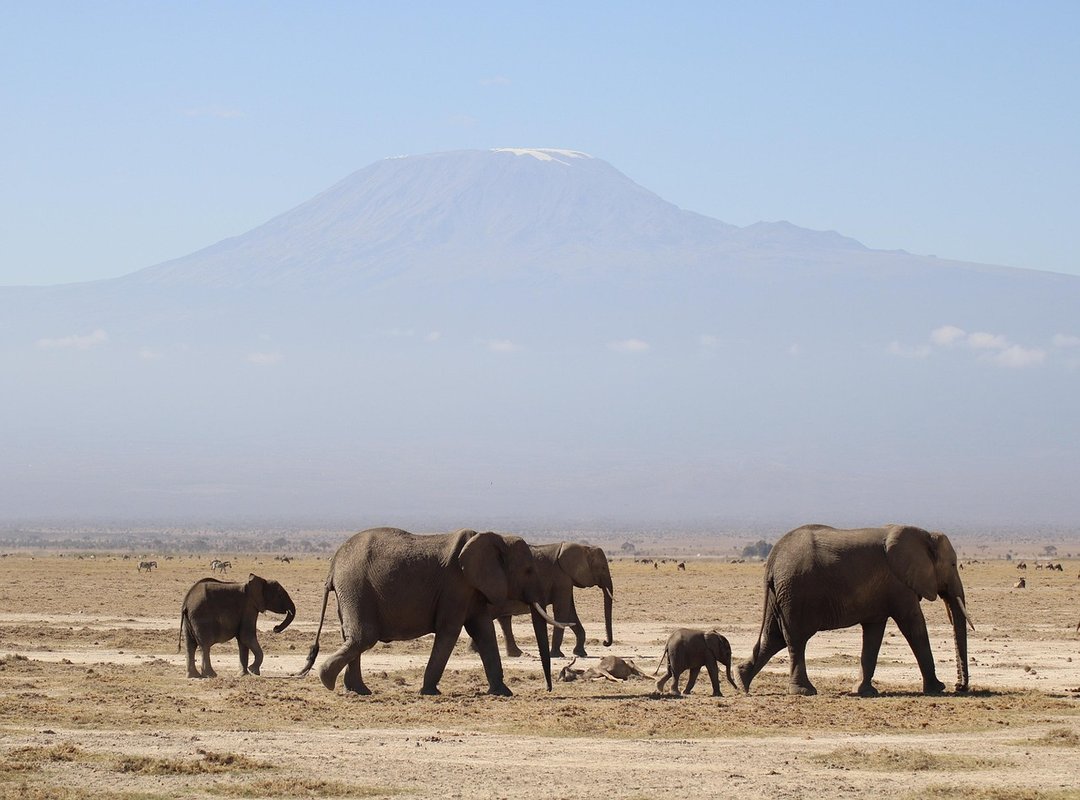
It’s 19,341 feet tall. That’s 5,895 meters. Tall enough to hold snow while sitting in the equatorial heat.
It sits in Tanzania (East) Africa. Not Kenya. Not Uganda.
Tanzania.
Kilimanjaro is a dormant volcano. Dormant means it’s not erupting now (and) hasn’t for over 200 years (but) it could wake up someday. (Not tomorrow.
Probably not in your lifetime.)
Here’s what makes it weirdly special: it’s freestanding. No connected ridges. No sibling peaks.
Just one massive mountain rising straight out of the plains.
That’s rare. Most big mountains cling to ranges like barnacles on a ship. Kilimanjaro doesn’t need friends.
It just is.
You can see it from 100 miles away.
No other African mountain does that.
The tallest mountain in Africa, Mount Kilimanjaro, is a popular destination for adventurers, as detailed on Jexptravel.
It’s not part of a system. It’s its own thing. That changes everything (how) you climb it, how it looks, how it feels to stand on Uhuru Peak and spin in a full circle with nothing else touching the sky.
You’ve seen the photos.
Now you know why they stop people cold.
Three Peaks, One Mountain
Kilimanjaro isn’t a single peak.
It’s a massif (a) cluster of three separate volcanic cones stacked together.
I climbed Kibo first. It’s the tallest. Uhuru Peak sits on top at 19,341 feet.
That’s why people ask Which Is the Tallest Mountain in Africa Jexptravel. And the answer is right there.
Mawenzi is next. It’s shorter but wilder. Jagged.
Broken. Eroded down to ribs and teeth. You see it from the saddle and think how did that even hold together.
Shira is the oldest. And the quietest. It collapsed long ago.
Now it’s mostly a broad, grassy plateau near the western base. You walk across it like it’s just land. Not a dead volcano.
These aren’t just bumps on a mountain. They’re chapters in a story written in lava and time. Kibo is still young and sharp.
Mawenzi is falling apart. Shira is already gone. Just a memory in rock and soil.
That’s why Kilimanjaro feels so huge. Not because of one peak (but) because of three. Each one tells you something different about how mountains rise, break, and rest.
You don’t stand on Uhuru and see just a summit. You see all three. All at once.
All real.
Kilimanjaro Isn’t Just Tall (It’s) Wildly Different
I stood on the saddle between Kibo and Mawenzi at dawn. Frost crunched under my boots. Below me?
Exploring Africa’s breathtaking landscapes can be an adventure, and if you’re curious about other natural wonders, check out Where Can I See the Nothern Lights From Jexptravel.
Rainforest. Above me? Arctic dust.
Which Is the Tallest Mountain in Africa Jexptravel? It’s Kilimanjaro. But that number means nothing until you walk its slopes.
You start in farmland where coffee grows. Then mist rolls in (bamboo) forest, then heath zone thick with giant lobelias. Next: alpine desert.
Rocks. Wind. Silence.
Then the summit (glaciers) clinging on, shrinking every year. They’re not just ice. They’re water for half a million people downstream.
I watched a colobus monkey vanish into cloud forest. Later, I passed a snow leopard track near Arrow Glacier. Rare.
Real. Unplanned.
This isn’t just scenery.
It’s five climate zones stacked like layers of cake. Except no cake has glaciers melting on top.
It’s a UNESCO World Heritage site. That means real rules protect it. Not just paperwork.
No logging. No mining. No shortcuts.
You want wild contrasts? Try climbing here and chasing auroras. Where can i see the nothern lights from jexptravel is another kind of extreme. But this mountain?
It’s got its own rhythm. Its own urgency. Its own breath.
Kilimanjaro Is Not a Hike. It’s a Test.
I climbed it. Twice. And I still don’t buy the “walk-up” label.
It’s true (you) don’t need ropes or ice axes. But calling it easy is like saying swimming across a river is simple because you can float. You can.
That doesn’t mean you will.
The Marangu route? Paved stairs and dorm beds. Machame?
Steeper, wilder, better acclimatization. Lemosho? Longer, quieter, more forgiving on your lungs.
For more detailed information about Africa’s tallest mountain, you can visit Jexptravel to explore the fascinating facts and travel tips.
Pick one based on your fitness. Not your Instagram feed.
Altitude doesn’t care how strong you are. It cares how slowly you rise. Skip acclimatization days and you’ll vomit at 14,000 feet.
(I did.)
Sunrise from Uhuru Peak isn’t just pretty. It’s silent. Cold.
Real. You stand there, shivering, and realize you didn’t conquer the mountain. You survived it.
Which Is the Tallest Mountain in Africa Jexptravel? It’s Kilimanjaro. And no, that doesn’t make it gentle.
It makes it honest. You show up unprepared? It sends you home.
You train, respect the pace, listen to your body? You earn that summit.
Most people think altitude sickness is rare. It’s not. It’s common.
And preventable. Just not with wishful thinking.
Want the real prep list (not) the glossy brochure version?
Check out Which Is the Tallest Mountain in Africa Jexptravel
Your Feet on Africa’s Roof
Which Is the Tallest Mountain in Africa Jexptravel? It’s Kilimanjaro. No debate.
No caveats.
I stood on that crater rim at dawn. Cold air. Thin breath.
The whole continent stretched below me.
You asked a simple question (and) got a real answer. Not trivia. Not filler.
Just truth you can stand on.
Kilimanjaro isn’t just tall. It’s solo. Free-standing.
Glaciers on the equator. Jungle to ice in five days.
That matters if you care about real places (not) just names on a map.
You wanted clarity. You got it.
Now what?
Stop reading about it. Start planning for it.
Book a trip. Talk to a guide. Pack your boots.
Or (if) Kilimanjaro feels too big right now (pick) one African peak and learn its story. Just one.
You don’t need permission to look up.
You don’t need a reason to go higher.
So go. Climb something. Even if it’s just your local hill first.
Then come back. I’ll be here. With more ground under your feet.
 Head of Travel Experience & Content Strategy
Grythara Bliss serves as the Head of Travel Experience and Content Strategy at Yukevalo, where she is responsible for designing how travel stories, guides, and insights are structured and presented to users. She focuses on creating immersive and engaging travel content that blends emotional storytelling with practical travel information, making each destination feel vivid and meaningful. Her role involves coordinating with research teams and content creators to ensure consistency, quality, and depth across all travel materials. She plays a key part in shaping the user experience by transforming raw travel data into compelling narratives that inspire exploration.
Head of Travel Experience & Content Strategy
Grythara Bliss serves as the Head of Travel Experience and Content Strategy at Yukevalo, where she is responsible for designing how travel stories, guides, and insights are structured and presented to users. She focuses on creating immersive and engaging travel content that blends emotional storytelling with practical travel information, making each destination feel vivid and meaningful. Her role involves coordinating with research teams and content creators to ensure consistency, quality, and depth across all travel materials. She plays a key part in shaping the user experience by transforming raw travel data into compelling narratives that inspire exploration.