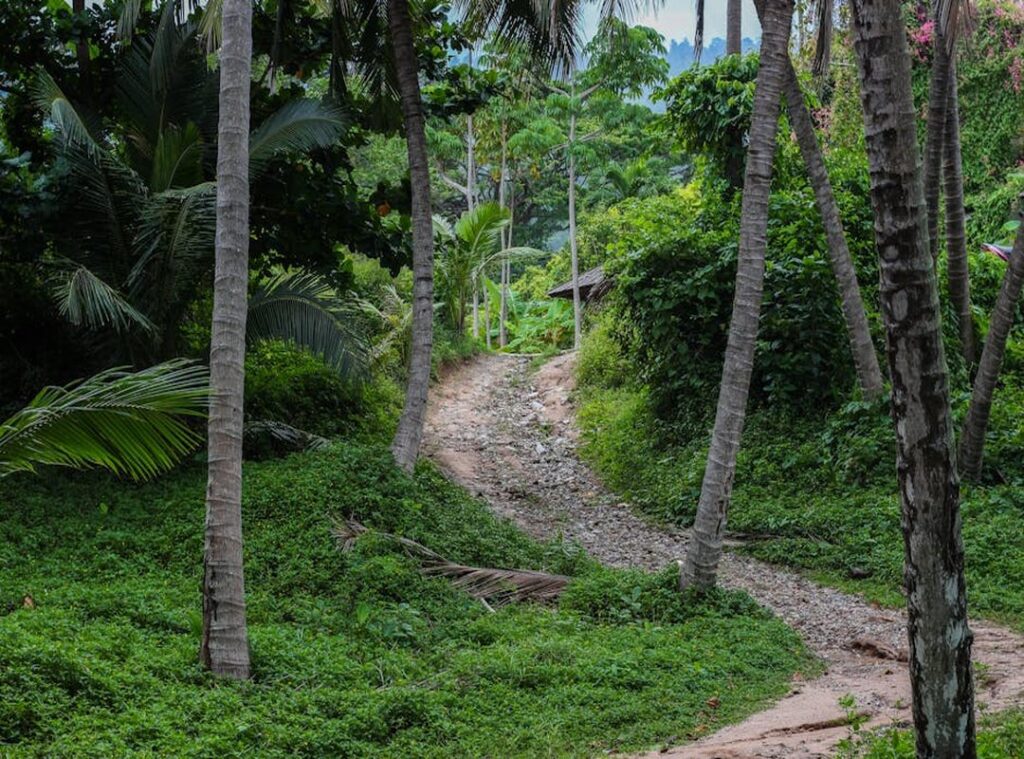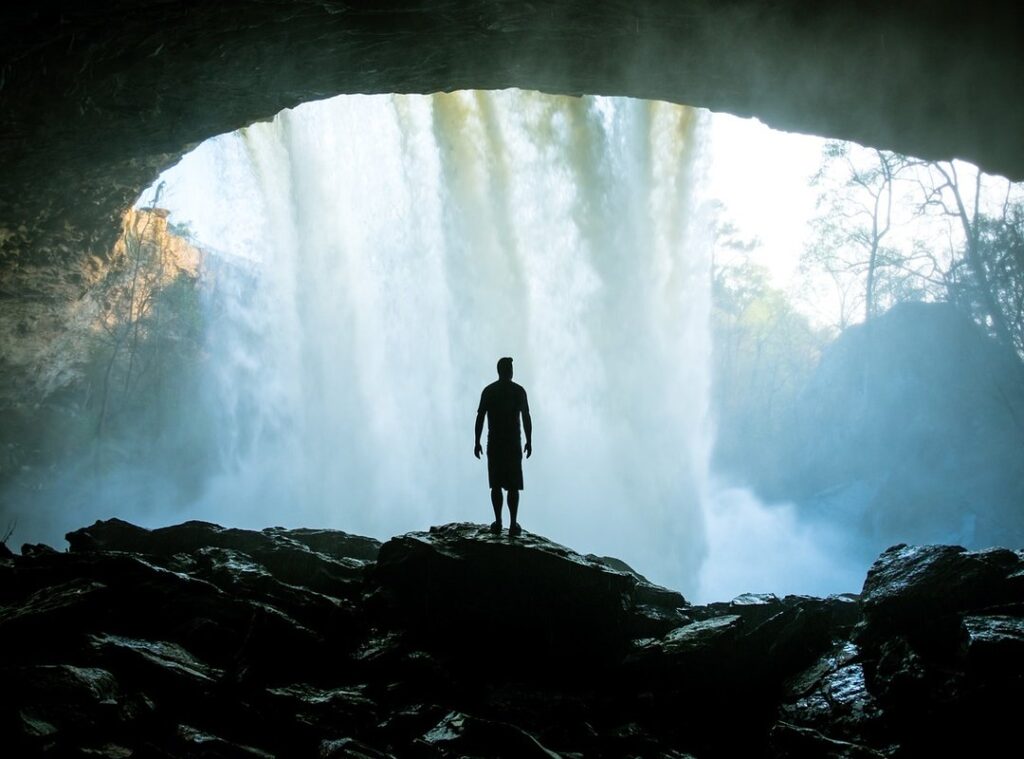
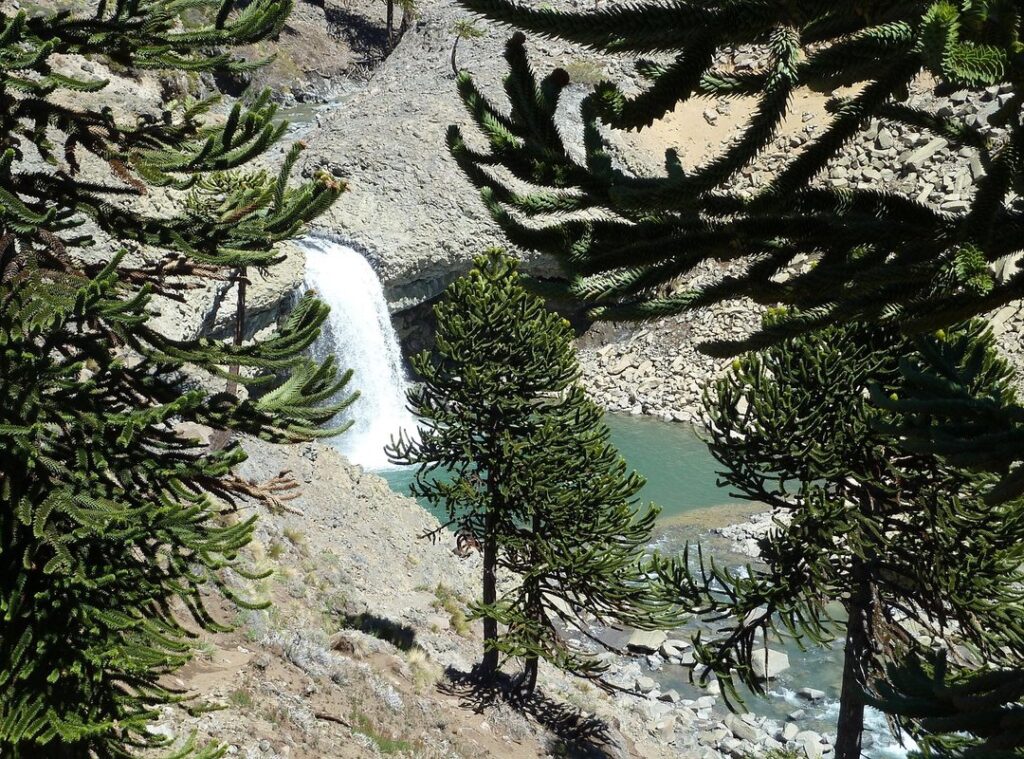
Imagine a symphony of falling water, untouched by crowds. It’s a secret whispered only to the wind and the intrepid few.
In a world crammed with tourists, finding genuine wildness feels impossible. Even the so-called hidden gems often disappoint, overrun with people and commercialization.
Where are the true secluded waterfalls?
I’ve spent years trekking across the globe, chasing these hard to find wonders. From the misty jungles of Southeast Asia to the rugged highlands of the Americas, my quest for lesser-known waterfalls has shaped my understanding of remote landscapes.
This article is for those who crave the satisfaction of real discovery. I’ll share practical strategies to help you find these hidden gems.
You’ll learn how to identify potential locations, plan meticulous expeditions, and get through responsibly.
Get ready to turn your dream of exploring untouched natural beauty into a tangible reality.
The Siren Song of the Unseen: Why Hidden Waterfalls Captivate
There’s something magnetic about discovering a hidden waterfall. It’s not just another point on a map. It’s an adventure, one that seeps into your soul.
You get this rush, like you’ve claimed a little piece of nature as your own. Compare that to the crowds at the popular spots, where you’re dodging selfie sticks and trudging along paved paths. It’s no contest.
Hidden waterfalls deliver a sense of achievement, an unparalleled peace. You’re far from the chaos, surrounded by emerald pools and velvet moss. The roar and mist of an untamed cascade offer a connection to raw, unspoiled beauty.
It’s intimate. Lesser-known waterfalls transform an ordinary hike into a treasure hunt. They’re not just hard to find geographically.
They demand a willingness to venture beyond what’s easy.
These spots often thrive as unique ecological niches. Pristine environments untouched by human impact, they host flora and fauna unseen elsewhere. This purity is what makes visiting these places so rewarding.
It’s a spiritual cleanse. To wander through these wildernesses is to encounter desert wonders undiscovered.
So why settle for the well-trodden path? Seek out these hidden marvels and let them captivate your soul.
Geological Whispers: Unveiling Hidden Cascades
Ever wondered how to find those secret spots where waterfalls hide? Lesser-known waterfalls are tucked away in nature’s folds, waiting for someone persistent enough to decode their hiding places. The trick?
Look for signs like steep hills, thick forests, and complex river systems.
Topographical maps (both paper and digital) are your best friends. They show where the terrain drops suddenly (a sneaky hint for waterfalls) and those ever-important “blue lines” converging. Use Google Earth or mapping apps to spot lush vegetation.
That greenery often indicates water nearby, thriving in its damp embrace.
Consider the rocks beneath your feet. Volcanic rock? Perfect for dramatic waterfalls due to its hard surface and erosion patterns.
Sedimentary and igneous rocks have their stories too, each shaping the space uniquely. Geology offers clues to where water might tumble.
But here’s a pro tip: tap into local knowledge. Locals have seen things you can’t even imagine. Hiking communities, forest rangers, indigenous groups.
They know their land. Respect and listen. They might lead you to places even your maps can’t cover.
For a taste of what you might find, check out the 5 secret & lesser known waterfalls of connecticut. Sometimes, the best discoveries are just a whispered suggestion away. Remember, geography whispers its secrets.
If you’re ready to listen.
Don’t just rely on tech. Your instincts matter when the ground beneath you changes. Those sudden rises and falls, lush greens, the hidden signs.
They’re all hints waiting to be decoded. Ready to hunt down these hidden marvels? Let’s get going.
Charting the Unknown: Your Expedition to Secluded Falls
Ever tried finding lesser-known waterfalls? It’s not as easy as it sounds. Basic online searches won’t cut it.
I say, dive into niche outdoor forums or specialized travel blogs. the real gems hide. Sure, you could browse academic papers on regional hydrology or geology (if you’re into that sort of thing). Even those dusty, old guidebooks can surprise you.
But let’s dig deeper. Verify everything. Cross-reference maps with recent satellite images.
Hidden spots lose their mystery fast. Local reports are your friend. Talk to people who’ve been there recently.
Interestingly, permits and access restrictions can be trickier than the hike itself. Always check land ownership. Get in touch with local land management agencies, national park services, or even private landowners.
It’s key for ethical access. Nobody wants to end up on the wrong side of a property line.
Route planning? Absolutely key. Know your trail difficulties and estimated trekking times.
Understand elevation gains and losses. Water crossings should be on your radar. Identify bail-out points or emergency shelters.
And of course, map out both primary and secondary routes. You never know what might happen out there.
Timing is everything. Consider the waterfall flow for the season (post-rainy season is usually best). Watch local weather patterns.
Don’t forget daylight hours. Avoid peak insect seasons unless you love mosquitoes. And remember, fewer people visit during off-peak times.
More solitude for you. So, are you ready for the adventure? Get out there, but plan right.
Embrace the Wild: Prepare for Untamed Trail Adventures
When you’re heading off to explore those lesser-known waterfalls, you need to be prepared. Trust me, nothing ruins an adventure faster than soggy feet or getting lost (cue horror music). Start with sturdy waterproof hiking boots.
Seriously, your feet will thank you. Layered clothing is next. Think moisture-wicking to keep sweat at bay.
And don’t skimp on reliable navigation tools: a GPS device, compass, and physical map are non-negotiable. Your phone’s GPS? A joke when the signal fades.
A headlamp with extra batteries is another must-have. Nightfall sneaks up quickly when you’re mesmerized by nature. And, of course, a water purification system.
Streams might look pristine but looks can be deceiving. A full first-aid kit is key because scrapes and blisters happen (and they hurt).
Safety protocols are your lifeline. Inform someone of your itinerary, expected return time, and emergency contacts. Going off-grid?
Carry a satellite messenger or personal locator beacon. These devices are worth every penny when you need help.
Wilderness survival skills aren’t optional. Know how to start a fire, build a shelter, tie a basic knot, and signal for help. A wilderness first aid course could be a game-changer.
Remember the ‘Leave No Trace’ principles. Pack out everything, including organic waste. Stick to durable surfaces and don’t disturb the wildlife.
It’s their home, after all.
Unpredictable challenges? They’re guaranteed. Sudden weather changes, tricky stream crossings, and slippery rocks are part of the package.
Stay mentally prepared. Problem-solving will be your best friend. Need a serene escape after the chaos?
Check out Mountain Serenity Retreats for a peaceful detox.
Embrace the Call of Hidden Waters
Discovering lesser-known waterfalls brings a satisfaction like no other. The effort you put in is nothing compared to the beauty and tranquility that awaits.
You’re tired of crowded tourist traps. You want to experience the genuine wilderness. The strategies I shared give you a path to connect authentically with nature.
This approach works because it combines research, planning, safety, and respect for the environment. It turns your outdoor aspirations into real adventures.
So, what are you waiting for? It’s time to dive in. Begin your research today and embrace the spirit of discovery.
The wild beckons. Will you answer its call? Go find those hidden gems and experience the serenity only nature can provide.
You deserve this escape. Don’t let the opportunity slip away. Start planning your journey to unveil those secret cascades now.
 Head of Travel Experience & Content Strategy
Grythara Bliss serves as the Head of Travel Experience and Content Strategy at Yukevalo, where she is responsible for designing how travel stories, guides, and insights are structured and presented to users. She focuses on creating immersive and engaging travel content that blends emotional storytelling with practical travel information, making each destination feel vivid and meaningful. Her role involves coordinating with research teams and content creators to ensure consistency, quality, and depth across all travel materials. She plays a key part in shaping the user experience by transforming raw travel data into compelling narratives that inspire exploration.
Head of Travel Experience & Content Strategy
Grythara Bliss serves as the Head of Travel Experience and Content Strategy at Yukevalo, where she is responsible for designing how travel stories, guides, and insights are structured and presented to users. She focuses on creating immersive and engaging travel content that blends emotional storytelling with practical travel information, making each destination feel vivid and meaningful. Her role involves coordinating with research teams and content creators to ensure consistency, quality, and depth across all travel materials. She plays a key part in shaping the user experience by transforming raw travel data into compelling narratives that inspire exploration.