
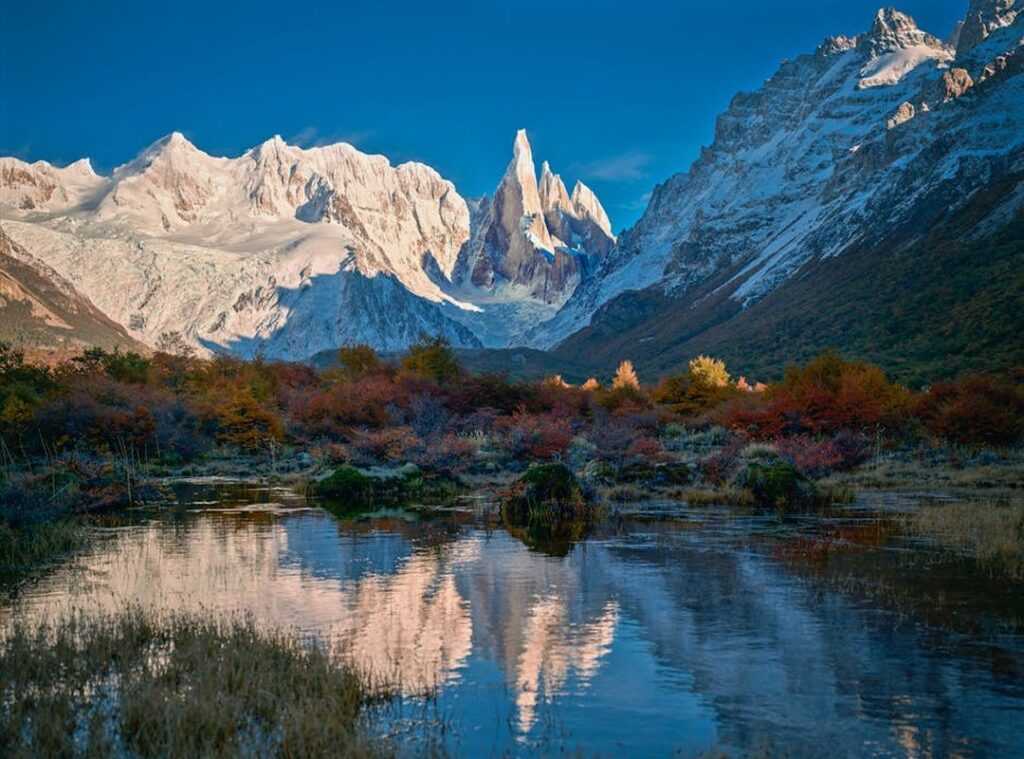
Patagonia is a dream for hikers, but planning a trip here can feel like a challenge. Do you really know where to start? With so much ground to cover, many adventure seekers get overwhelmed.
I’ve been there. It’s easy to feel lost when you’re looking at vast landscapes and endless trails.
That’s why I’m here. I want to share my takeaways and tips to help you get through this stunning region without the stress.
This Patagonia trekking guide will provide practical, easy-to-follow resources that cut through the confusion. I’ve spent years exploring these trails, and I’ve gathered the best information to make your journey smooth.
You’ll find everything you need, from trail recommendations to packing tips. By the end of this article, you’ll be ready to hit the trails with confidence. Let’s dive into the wonders of Patagonia together.
Trust me, it’ll be worth it.
Patagonia: Nature’s Playground Awaits
Why should you choose Patagonia for your next hiking adventure? Well, it’s a no-brainer. The stunning landscapes here will blow your mind.
You might spot a guanaco or even a puma if you’re lucky (or unlucky, depending on your perspective).
From towering mountains to sprawling glaciers, it’s like nature decided to show off. And the biodiversity? Outrageous.
The trails cater to everyone, from newbies to seasoned hikers. Whether you’re tackling the famous W trek or just meandering through Los Glaciares, there’s a path for you. The variety keeps things exciting.
Plus, each trail tells a story, rich with cultural and historical significance. You can almost feel the echoes of explorers who first set foot here.
I remember my first trek vividly. A fellow traveler mentioned how the air felt different (crisp,) almost alive. I didn’t believe it until I inhaled deeply.
It was like nothing else.
Curious about building stamina for long treks? This guide is a lifesaver. Patagonia isn’t just a destination; it’s an experience.
Dive in and let it change you. Are you ready for the adventure of a lifetime?
Trekking Patagonia: Important Gear and Tips
Patagonia is no ordinary place. It’s wild, unpredictable, and absolutely stunning. If you’re planning a trek, you better gear up right.
First thing’s first: layers. It’s like preparing for a dance-off with Mother Nature (you never know which move she’ll pull out next). A waterproof jacket is non-negotiable.
Trust me, the weather changes faster than a kid’s mood.
For footwear, go for something versatile. The trails range from rocky paths to muddy streams. You don’t want blistered feet ruining your epic journey.
Now, let’s talk tech. A GPS device can literally save your life out there. Your phone’s GPS?
Ha, save that for navigating to the nearest Starbucks, not the wilds of Patagonia.
Then there’s the question of packing light. Sounds impossible, right? But think of it as a game of Tetris.
Only this game involves survival skills. Multi-purpose gear is your friend. And those fancy tech gadgets that weigh less but do more?
Yes, please.
But let me ask you this: Have you ever been stuck in a torrential downpour without a dry pair of socks? Exactly. Remember, this isn’t just another hike.
This is your Patagonia trekking guide to survival.
Patagonia’s Best Trails: Trekking Tales and Tips
Patagonia is a hiker’s paradise. But let’s be honest, it’s not just about the scenery (though that’s mind-blowing). It’s about the experience.
I’ve trekked through Patagonia, and I learned things the hard way. You want to avoid my mistakes? Keep reading.
First up, Torres del Paine. This trail is iconic. It’s got everything: mountains, glaciers, lakes.
I underestimated the difficulty. It’s rated moderate to hard, and it takes about 5 to 7 days to complete the full circuit. You need to prep for this one.
Start early in the day to dodge the crowds. Trust me, solitude is worth it.
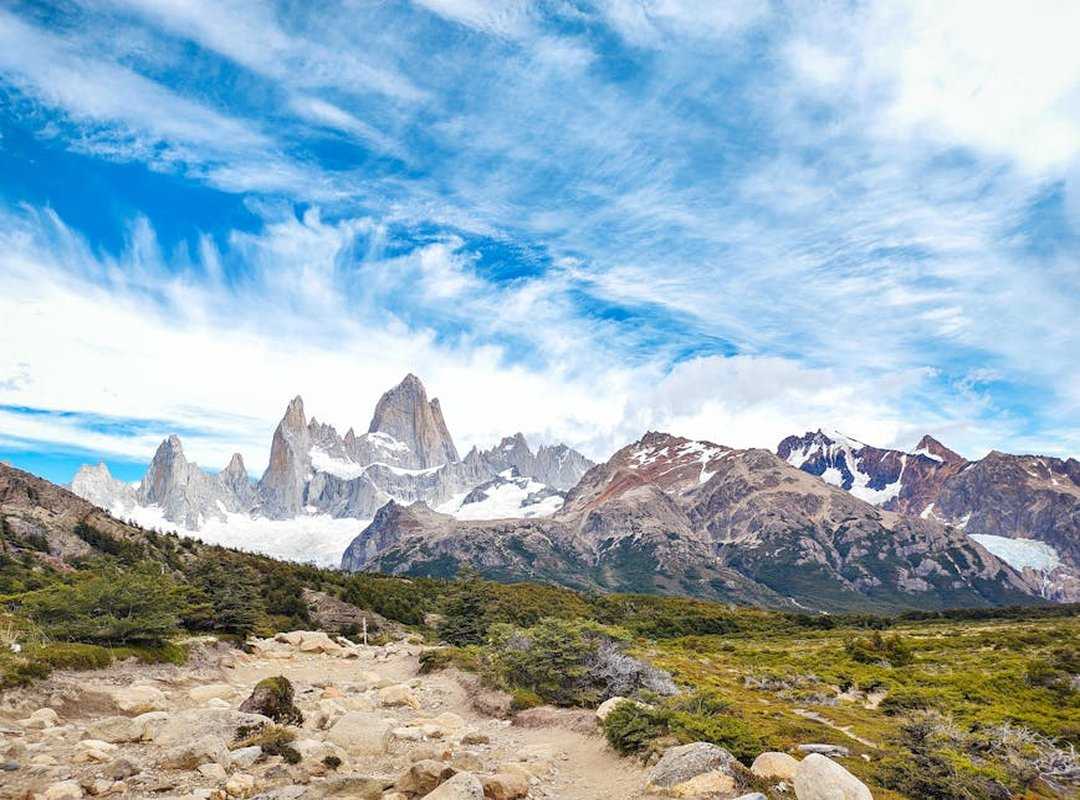
Then there’s Fitz Roy. This trail is another stunner. It’s a bit shorter, around 8 to 10 hours for a round trip.
But don’t let that fool you. It’s challenging. The views of the jagged peaks are worth every aching muscle.
A pro tip? Pack light, but don’t skimp on water. You’ll thank yourself later.
I can’t stress enough the importance of timing. Patagonia’s weather is unpredictable. One minute you’re basking in sunshine, the next you’re drenched.
Check the forecast, but also be ready for anything. And layers are your best friend.
Another lesson I learned: respect the environment. Patagonia is pristine, and it’s our job to keep it that way. Carry out what you carry in.
Leave no trace. Simple as that.
If you’re planning your trek, this patagonia trekking guide is a goldmine of information. It’s got all the details you’ll need.
Finally, don’t rush. Enjoy the journey. It’s easy to get caught up in schedules, but take time to soak it all in.
Patagonia will change you. It changed me. So, lace up your boots, and let the adventure begin.
Your Patagonia Trekking Adventure: The Ultimate Guide
Planning a trip to Patagonia? Let me tell you, it’s not just about throwing hiking boots in a backpack and hopping on a plane. You need a solid plan (trust me, I’ve been there).
When’s the best time to visit? You’re not the only one asking. October to April is the peak season.
First, let’s talk permits. You can’t just stroll into Torres del Paine or Los Glaciares without them. Get your permits early to avoid any last-minute panic.
The weather is warmer, but it’s also crowded. If you’re like me and prefer a little solitude, try visiting in spring or autumn. You’ll avoid the crush of tourists and still catch that stunning scenery.
Now, accommodation. Finding a place near trailheads can be tricky. I recommend booking lodges or campsites well in advance.
I once tried booking a week before arriving, and let’s just say I spent two nights on a bus bench (not recommended).
Don’t forget to sort your travel documents. That includes your passport, visas, and any hiking permits. Also, consider getting travel insurance.
Medical emergencies can happen, especially when you’re scaling mountains.
Pro tip: pack a first-aid kit and some basic meds. Altitude sickness is no joke.
Ultimately, this Patagonia trekking guide is about making your trip smooth and memorable. Each step you take in the planning phase pays off when you’re finally there, soaking in the breathtaking views. So, are you ready for the adventure of a lifetime?
Stay Safe on Patagonia Trails: My Guide
Hiking in Patagonia is no joke. Weather here can switch from sunny to stormy before you even finish your snack. Trust me, being weather-ready is your first line of defense.
Pack a good rain jacket. You don’t want to end up like some folks who thought a hoodie would cut it.
And water? Don’t skimp on it. Hydration is your best friend out there.
Snack often too. Energy bars, nuts, even candy helps keep you going.
Wildlife can be a surprise. Ever had a guanaco stare you down? Keep your distance and your cool.
Know your emergency contacts. Local parks often have guides or rangers who can help.
Want more trekking advice? Check out this guide for tips on another rugged adventure. Patagonia is a wild place.
You’ve got to respect it or it’ll teach you a lesson you won’t forget.
Your Adventure Awaits in Patagonia
Hiking in Patagonia is a dream you shouldn’t put off. The excitement and rewards of these breathtaking landscapes are unmatched. Remember the key points about planning your trip?
You need the right gear, a solid itinerary, and a good grasp of the terrain.
I encourage you to start planning now with confidence. Don’t get overwhelmed; use a Patagonia trekking guide to help you. Want personalized advice?
Reach out for tips tailored just for you. Don’t wait (your) adventure is calling. Contact us today, and let’s make this journey unforgettable.
You deserve this experience.
 Founder & Chief Visionary Officer
Lorven Vossric is the founder and Chief Visionary Officer of Yukevalo, where he leads the overall direction of the company and defines its core philosophy of meaningful and intelligent travel exploration. He created the platform to combine wanderlust storytelling with practical travel planning systems, aiming to help users discover both well-known and hidden destinations around the world. His work focuses on long-term brand vision, global strategy, and innovation in how travel information is presented. He is deeply involved in shaping the identity of Yukevalo and ensuring that every feature reflects curiosity-driven exploration and structured travel insight.
Founder & Chief Visionary Officer
Lorven Vossric is the founder and Chief Visionary Officer of Yukevalo, where he leads the overall direction of the company and defines its core philosophy of meaningful and intelligent travel exploration. He created the platform to combine wanderlust storytelling with practical travel planning systems, aiming to help users discover both well-known and hidden destinations around the world. His work focuses on long-term brand vision, global strategy, and innovation in how travel information is presented. He is deeply involved in shaping the identity of Yukevalo and ensuring that every feature reflects curiosity-driven exploration and structured travel insight.